
Every guide and helpful article eCertify has written, in one place: what the certificates are, what an inspection costs, and how to tell whether your house actually needs work. Written by registered inspectors, in plain English. New guides land here first.
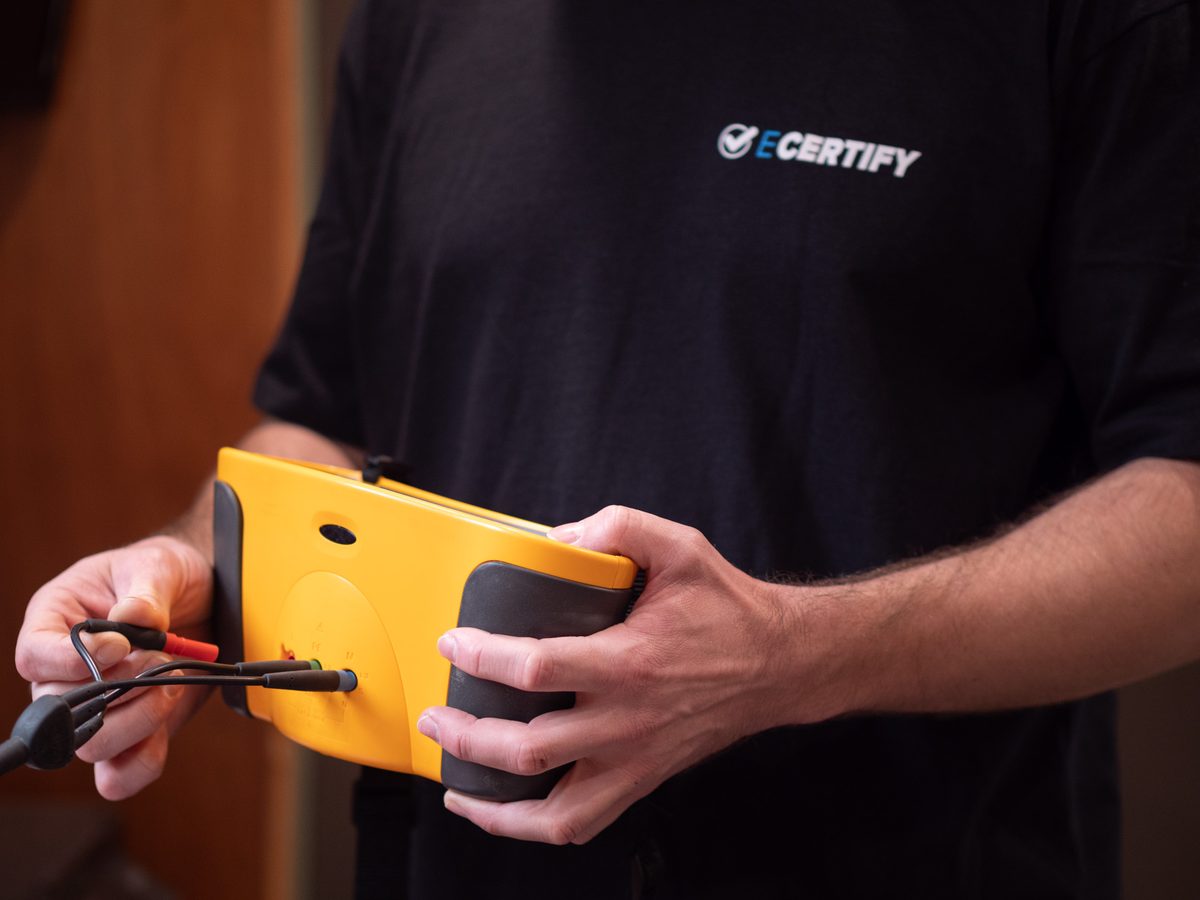
Every eCertify inspection and certificate price in one table, including GST, with what is and is not included.

ESC, COC, ROI or CoV. What each one covers, who issues it, and when the law requires it.

The signs worth taking seriously, what a visual check looks at, and what old wiring looks like.
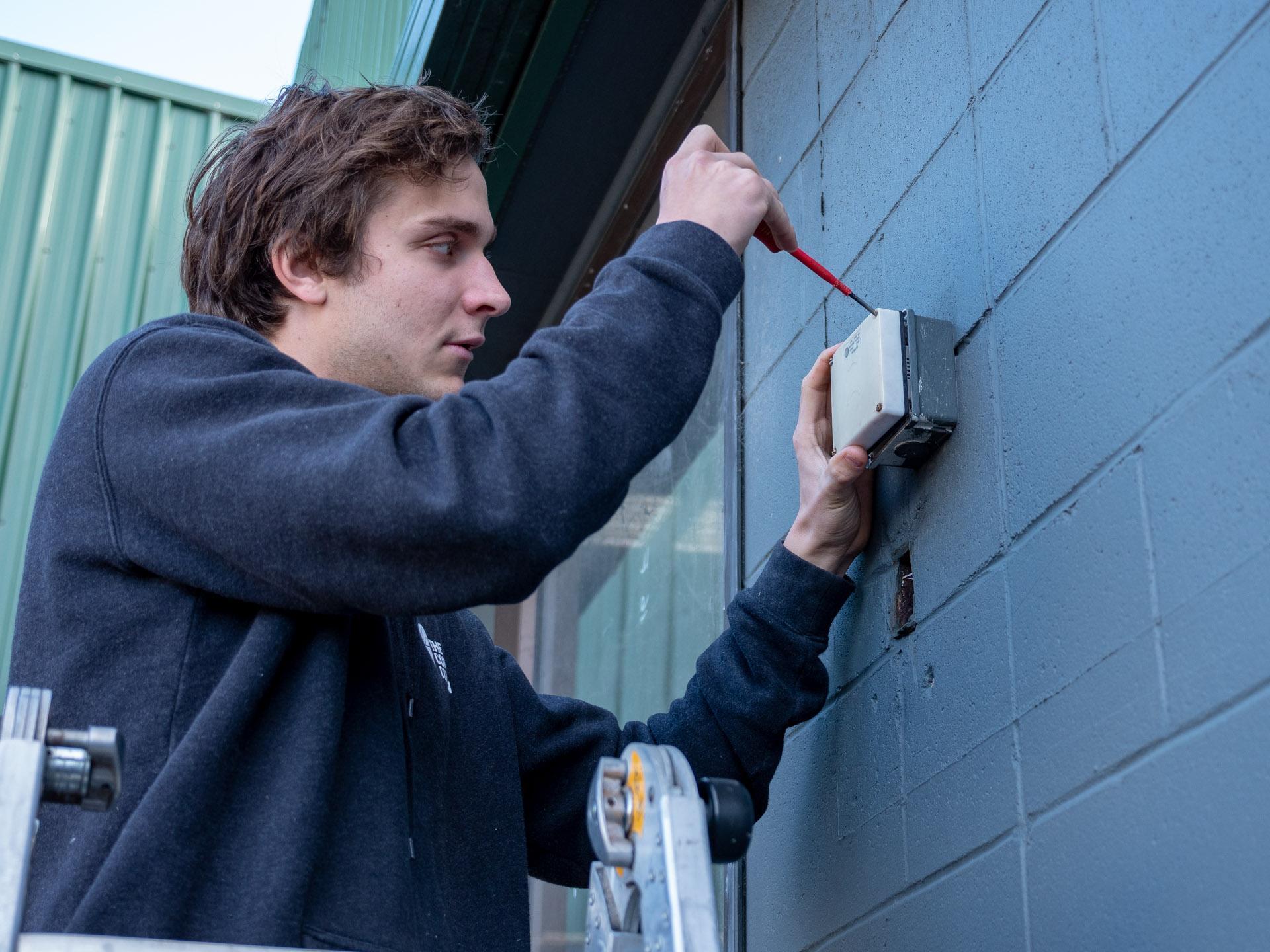
A building report does not test the wiring. What a pre-purchase or pre-sale electrical inspection tells you before settlement.
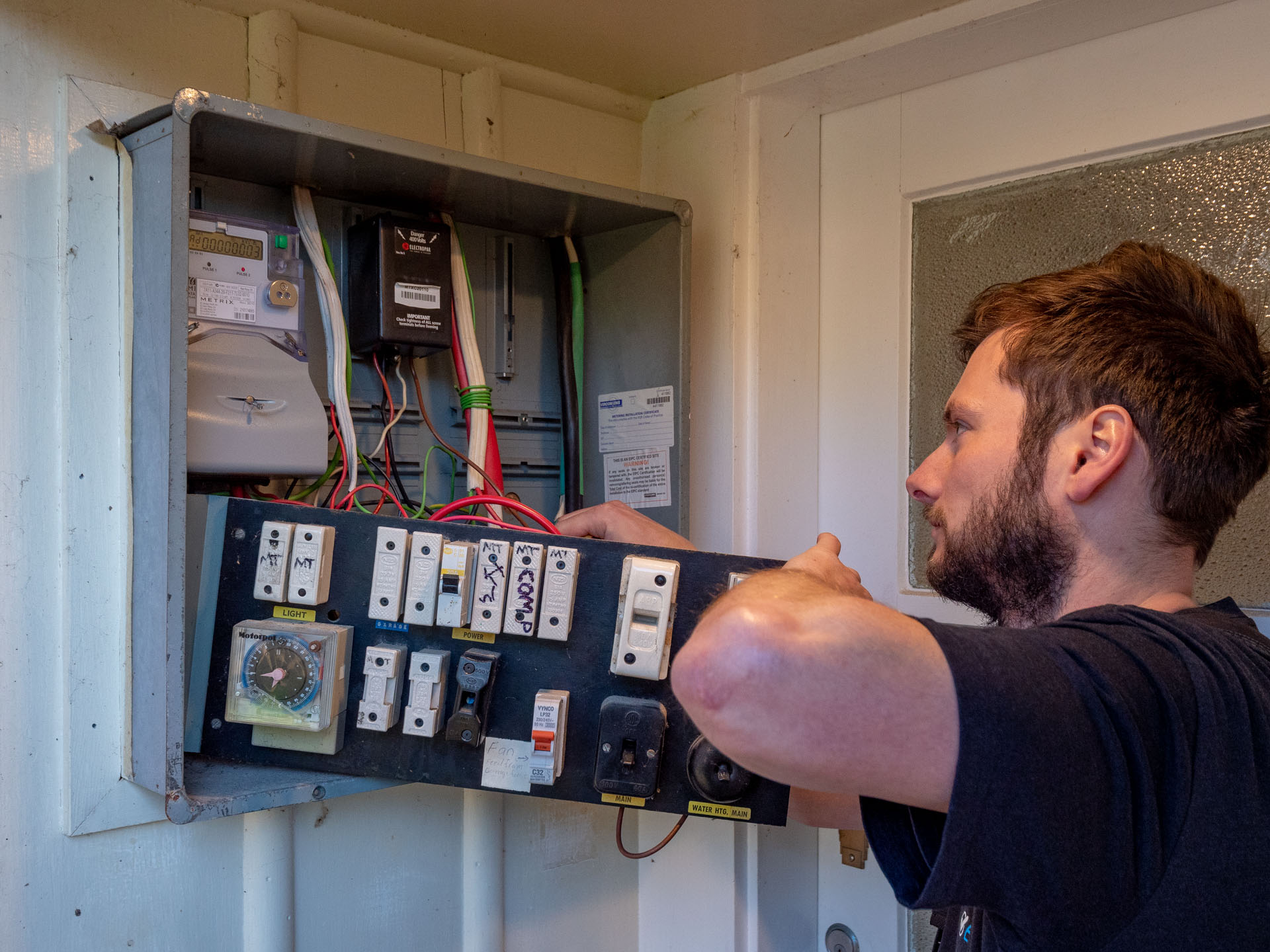
Told you need an upgrade? How to tell whether the board actually needs replacing, from an inspector's point of view.
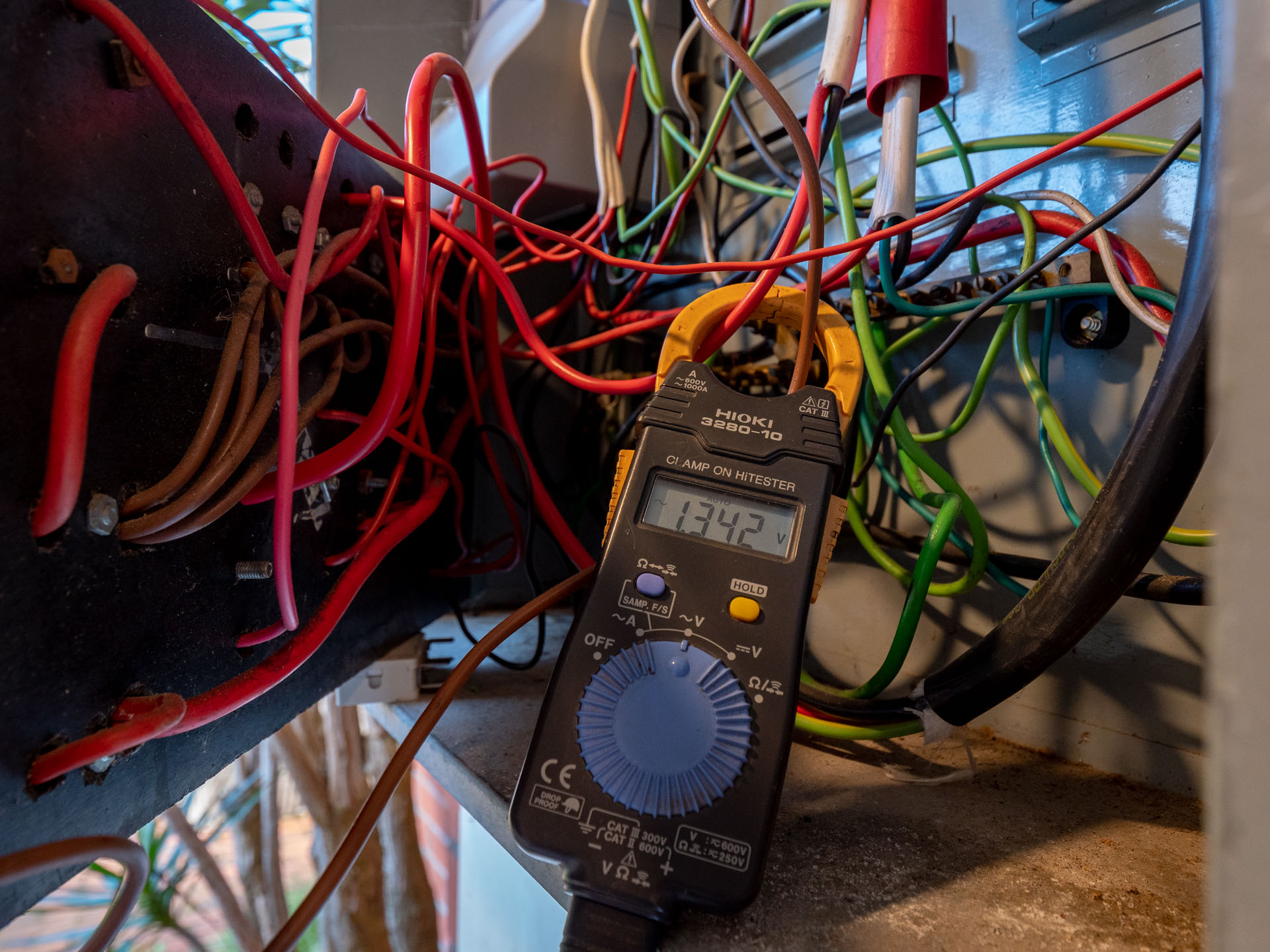
Most Auckland homes eCertify inspects do not need a rewire. The signs that genuinely point that way, and how an inspection settles it.
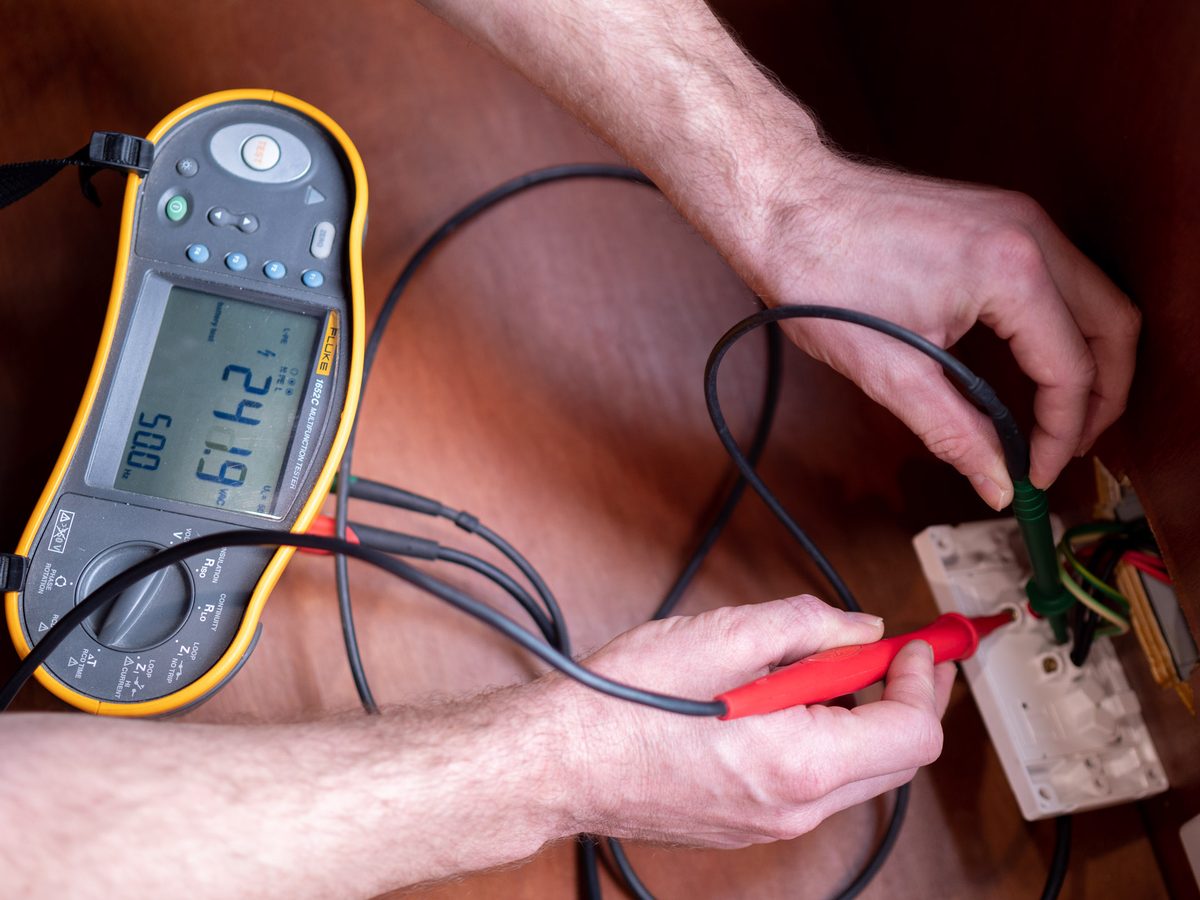
What an electrical warrant of fitness is, who needs one, what it costs, and the cheaper bring-it-in option.
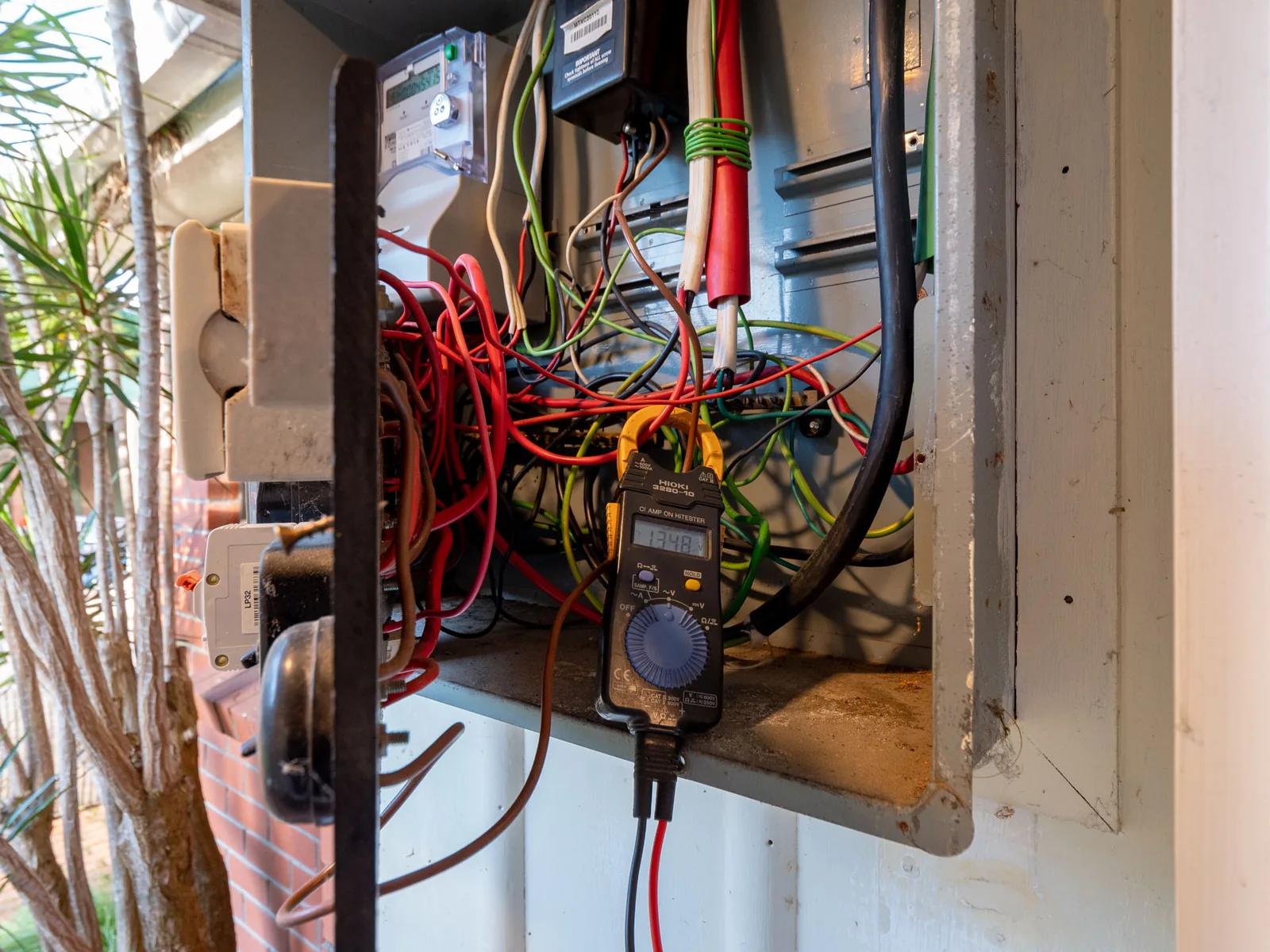
A buyer books a pre-purchase electrical inspection before committing; a vendor books a pre-sale Certificate of Verification (CoV) before listing or settlement. Both are NZ$249.90 including GST with eCertify, cover the callout, testing and report or certificate, and answer different questions: the buyer finds out what they are taking on, the vendor shows the installation has already been checked. Neither replaces, or is replaced by, the general building inspection.
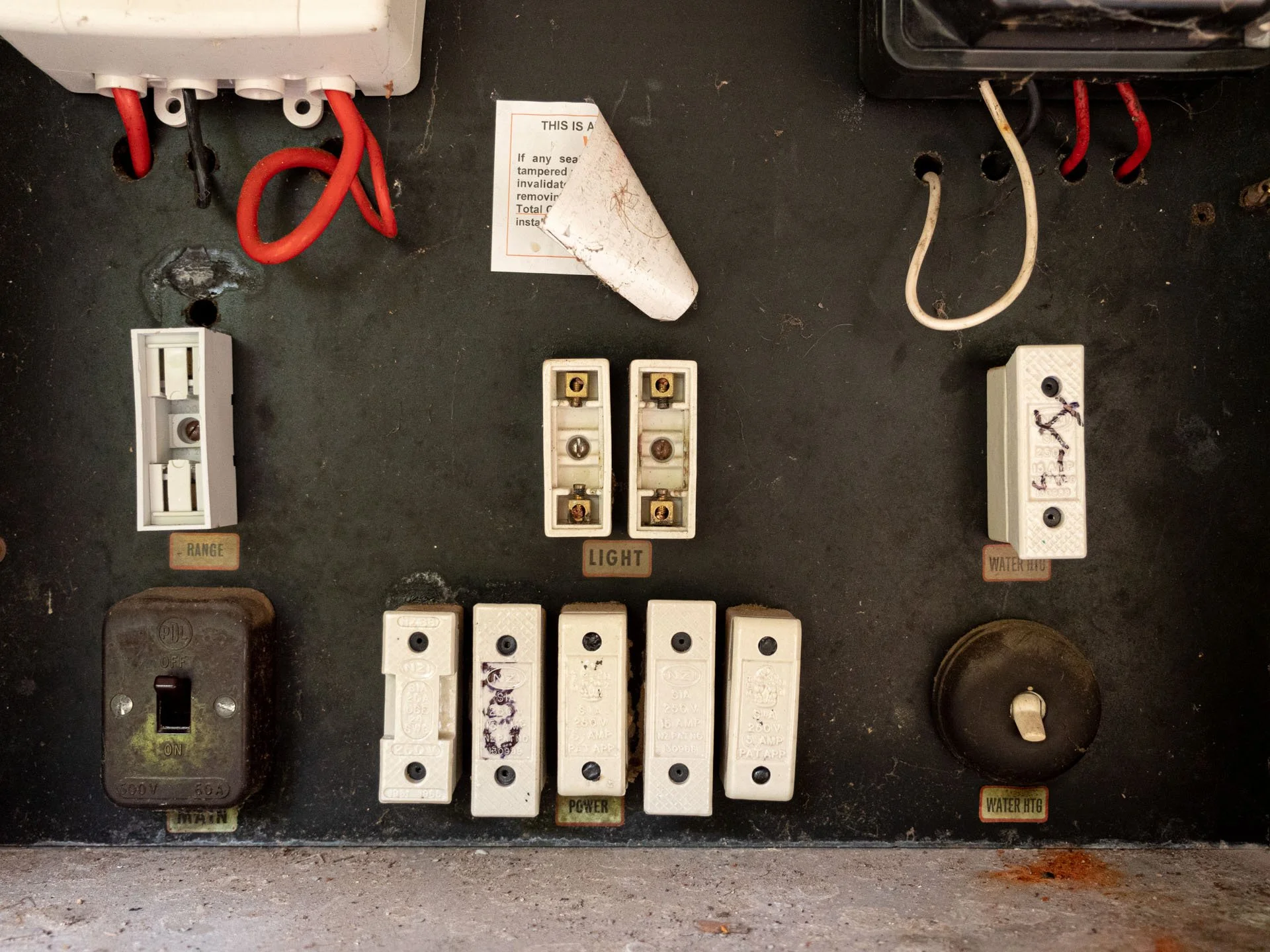
An electrical safety check looks over a property's electrical installation, from the switchboard to the wiring and fittings, and ends in a written report. Some checks include instrument testing; eCertify's home electrical safety check is a visual check with no testing. It is not a certificate. There is no single legal interval for an ordinary home; AS/NZS 3019, the New Zealand standard for checking existing installations, says the right frequency depends on the installation's age, use and condition, and recommends a check when a home changes occupants. eCertify's visual home electrical safety check is NZ$99.90 including GST, Auckland wide, until 30 November 2026.
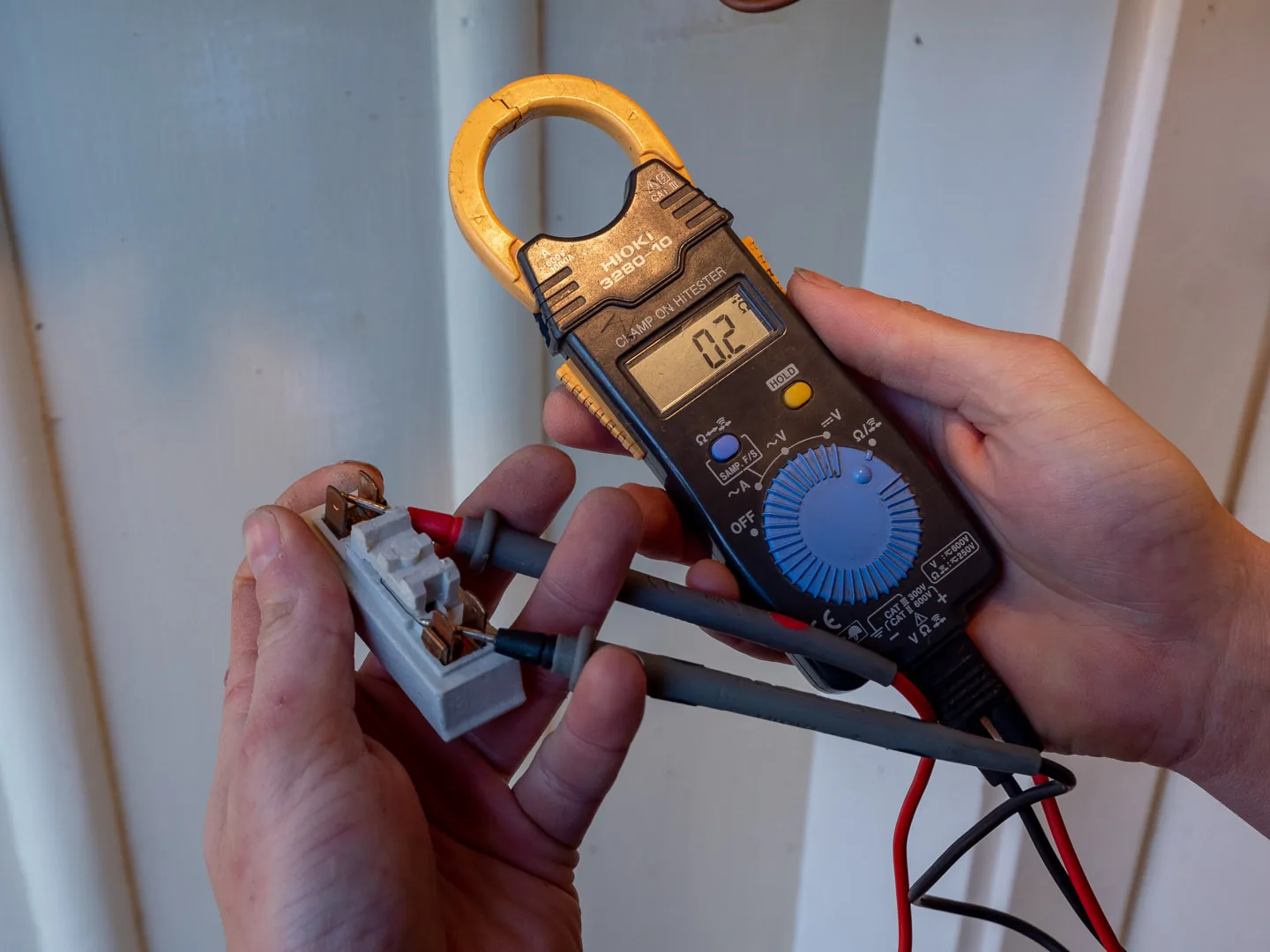
In Auckland, eCertify's fixed prices start at NZ$99.90 including GST for a visual home electrical safety check (special price until 30 November 2026), and tested inspections start at NZ$249.90 including GST (a pre-purchase inspection or a pre-sale Certificate of Verification). The right one depends on why you need it, not on guesswork, and every price is all-inclusive: callout, the report or certificate, and testing on every inspection except the visual check.
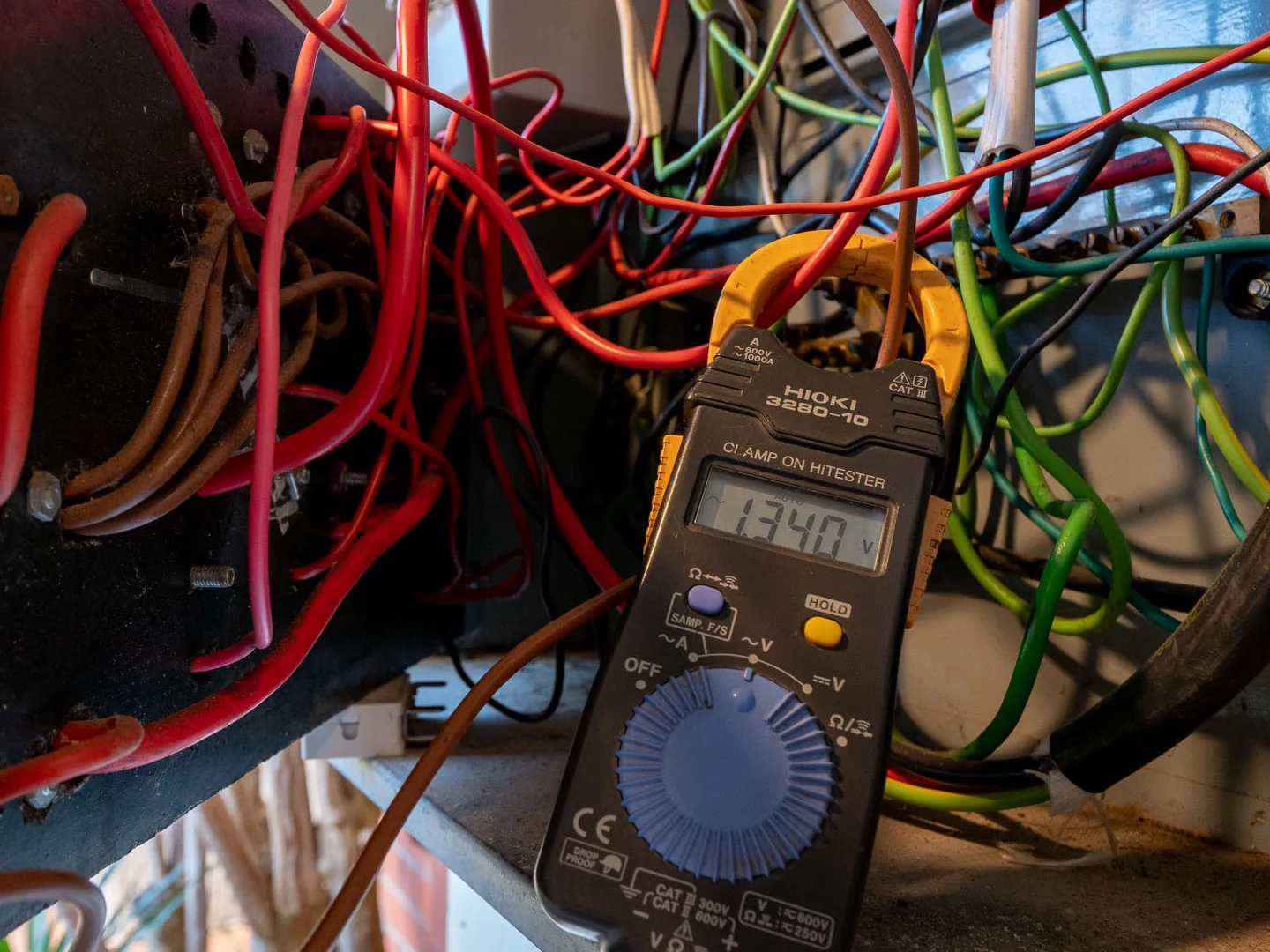
"Energy works certificate" is not one legal document. eCertify explains what insurers and councils mean, and the right certificate to ask for.
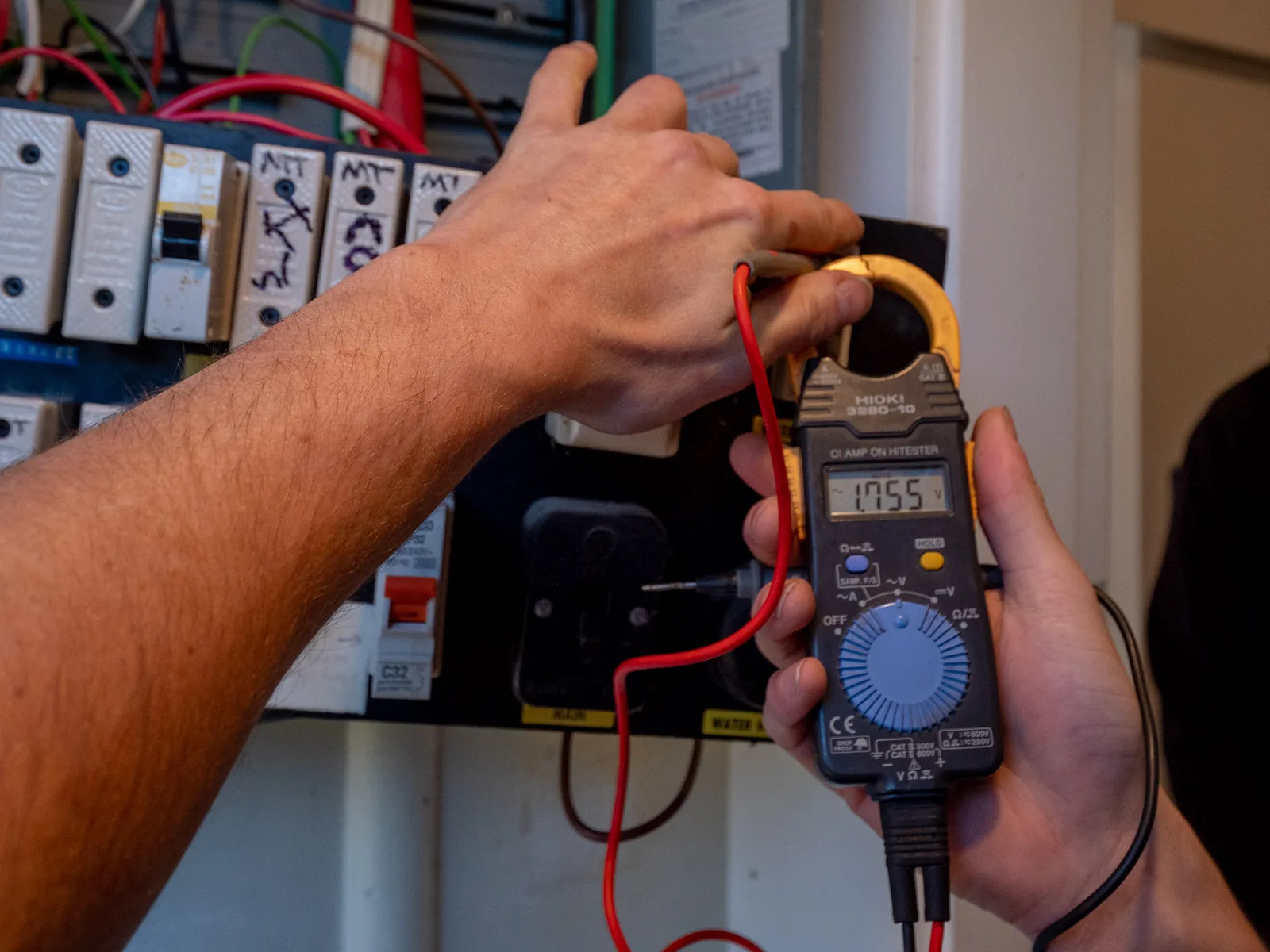
A CoV confirms an existing electrical installation is still safe, not new work. When you need one, who can issue it, and what eCertify charges.
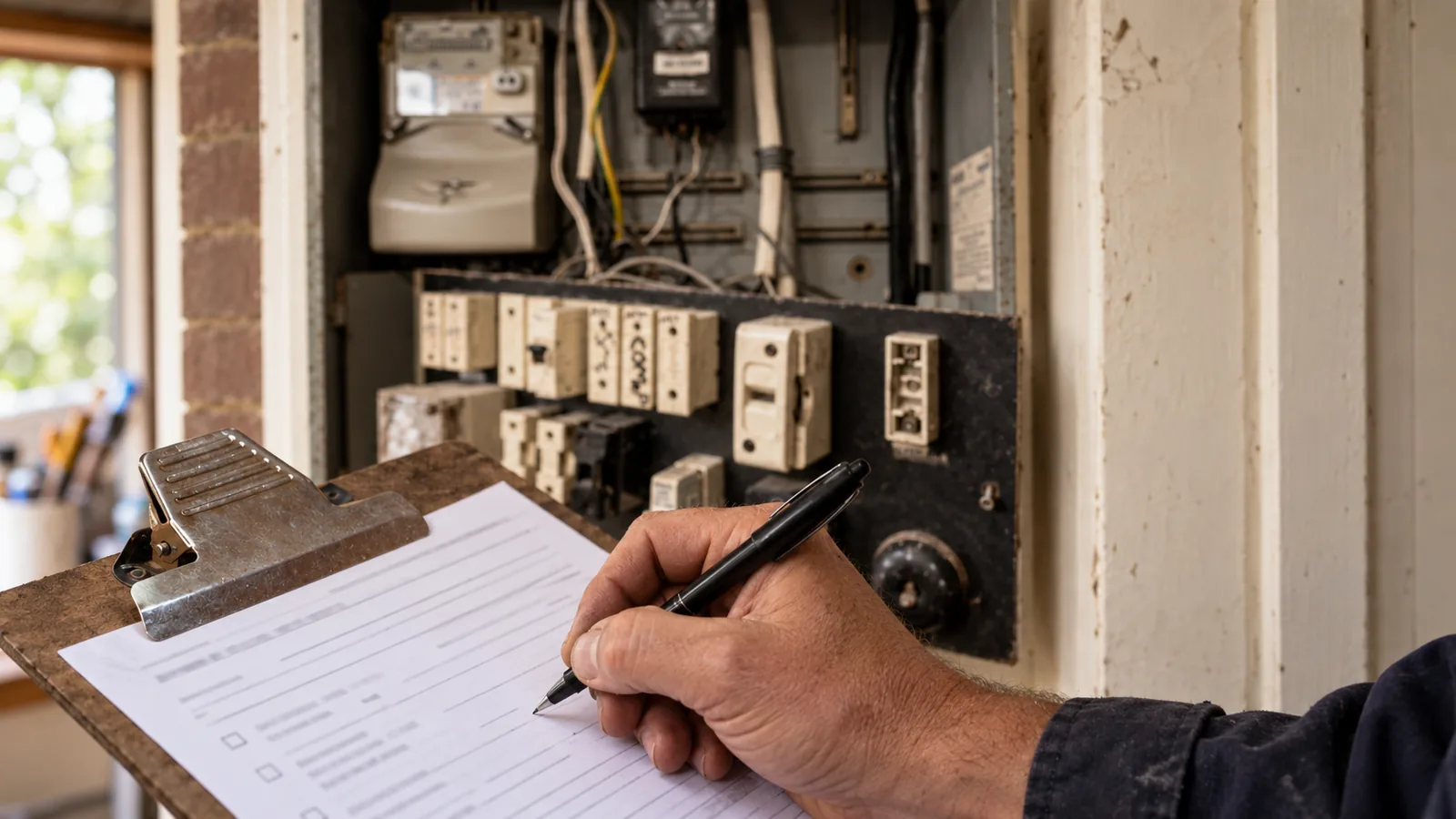
What an Electrical Safety Certificate actually confirms, who has to issue one, the 20 working day deadline, and what eCertify charges. Auckland.
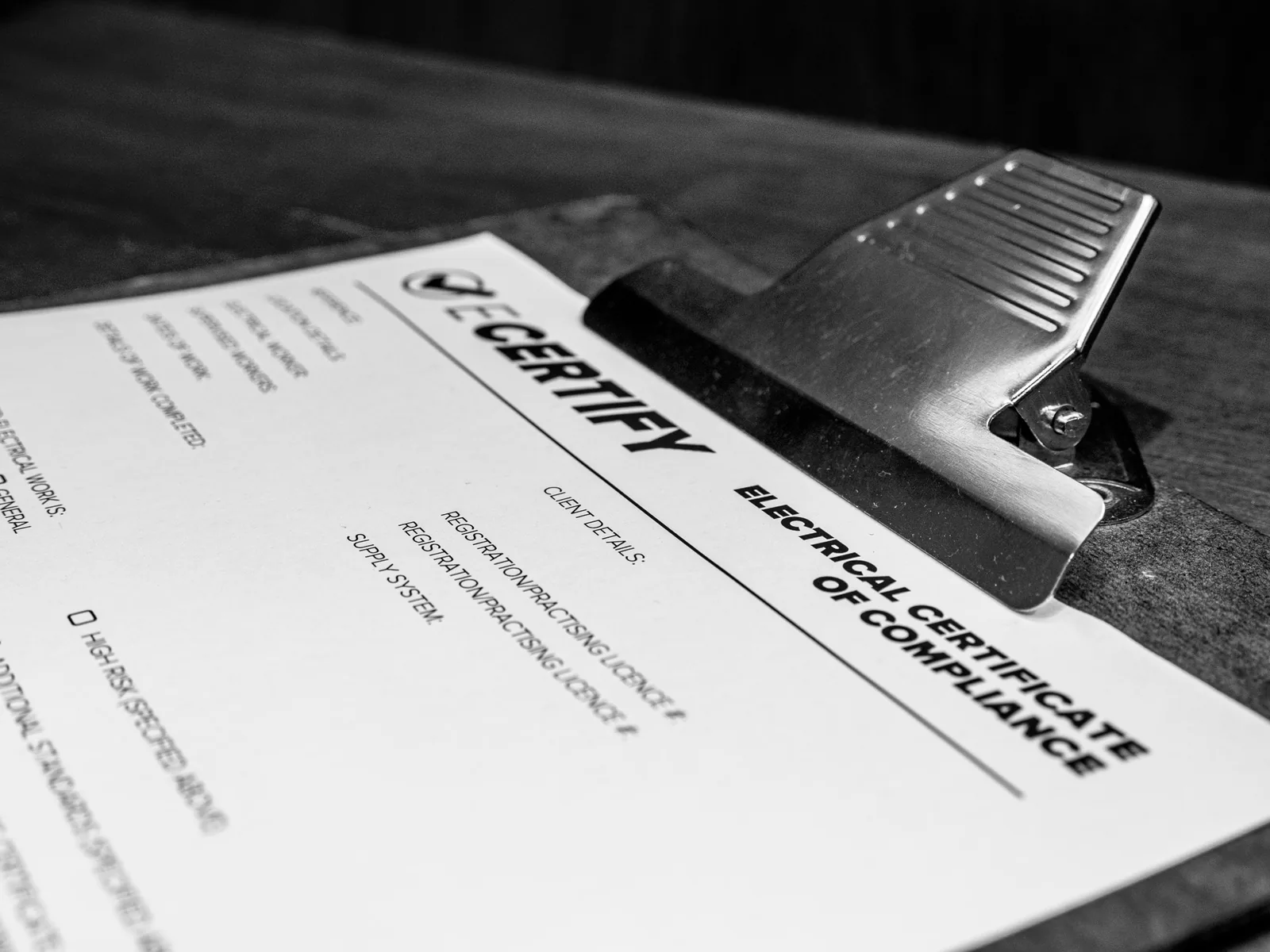
A Certificate of Compliance (COC) proves electrical work is safe and lawful. eCertify explains who issues one, what it covers, and what it costs.
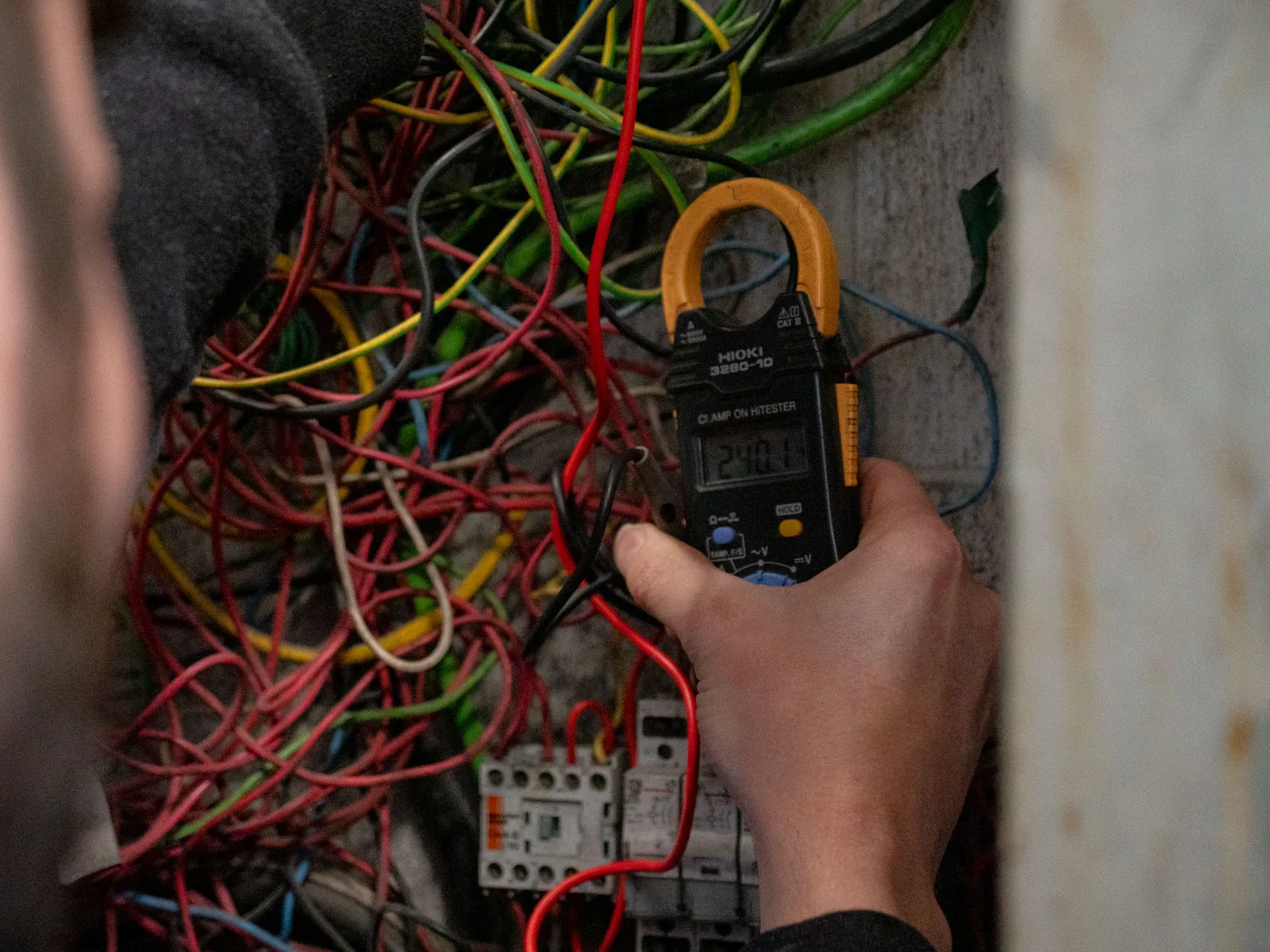
AS/NZS 3000:2018 clause 2.9.7, a New Zealand-only clause, makes arc fault detection devices (AFDDs) mandatory on some 20 A or smaller final subcircuits. Separately, the ban on switching a PEN (combined protective-earth-and-neutral) or earthing conductor was lifted for 11 months and is now back in force, unmodified, from 2 October 2026.
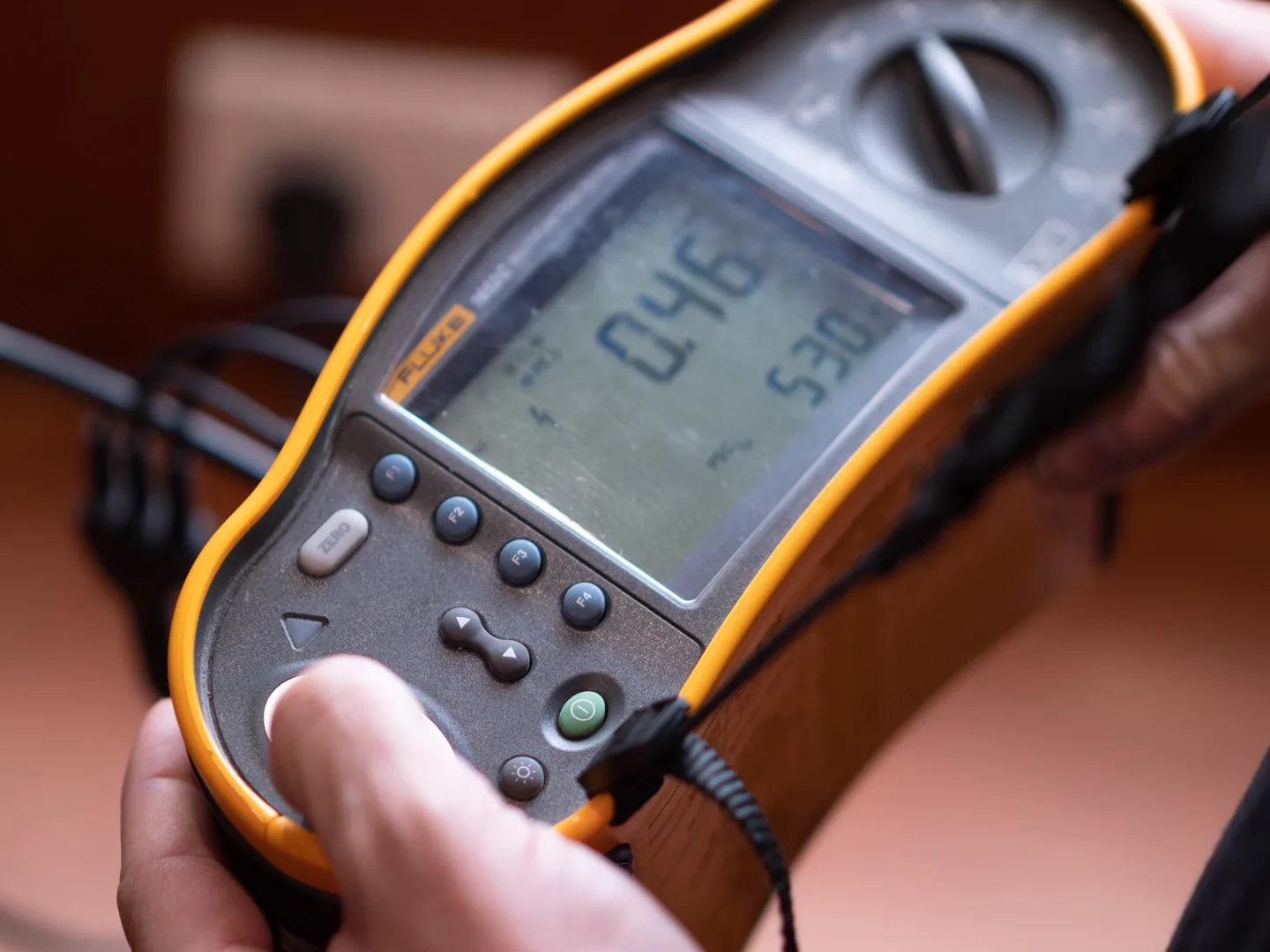
Since AS/NZS 3000:2018 was cited in New Zealand from 13 November 2025, confirming an RCD works requires an instrument function test covering trip time, correct operation and shock protection for AC and pulsating DC, not the integral test button alone. The acceptable RCD types are now Type A, Type F or Type B, and a Type B RCD is required on the dedicated circuit for a Mode 3 or 4 EV charger.
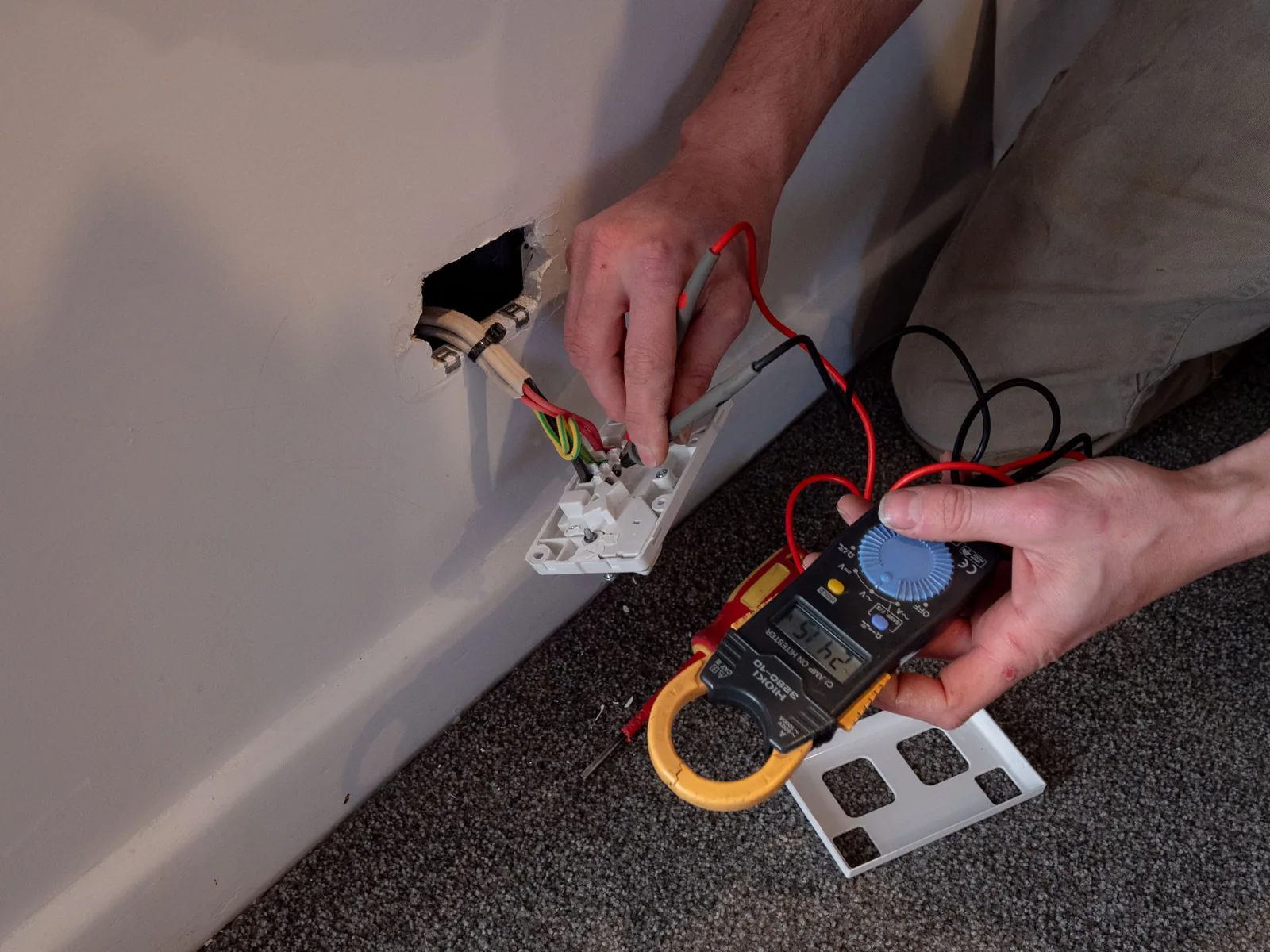
New Zealand's wiring rules moved from AS/NZS 3000:2007 to AS/NZS 3000:2018 (with Amendments 1 to 3) on 13 November 2025, under the Electricity (Safety) Amendment Regulations 2025 (SL 2025/225). Either edition is accepted for work started before the close of 12 November 2026; after that date, 2018 is compulsory for new work. Existing installations never need upgrading just because the edition changed.
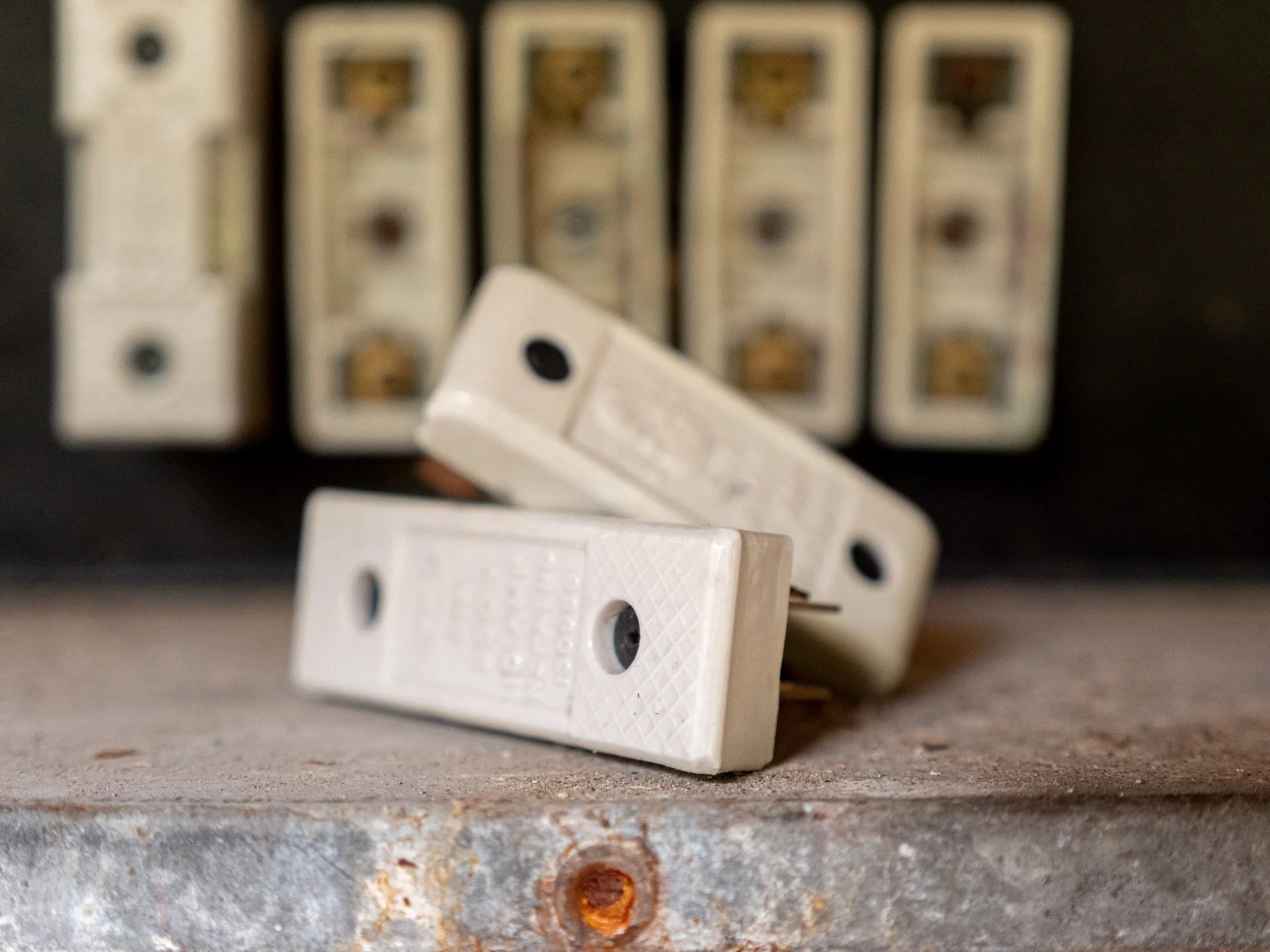
Mains work, solar and switchboard upgrades: what the Electricity (Safety) Regulations 2010 actually class as high-risk prescribed electrical work, where the EWRB goes further than the regulations do, and when you need an independent inspector.

New Zealand electrical paperwork comes in four flavours: ESC, COC, ROI and CoV. Here is the plain-English version of who issues each one and when you actually need it.

787 Riddell Road, St Heliers, Auckland 1071
09 302 0884office@ecertify.co.nzFind us on Google MapsGet in touch any time. On-site work runs Monday to Friday, 7am to 5pm.
Our team are fully accredited and qualified electrical professionals.

Copyright © eCertify. All rights reserved.