
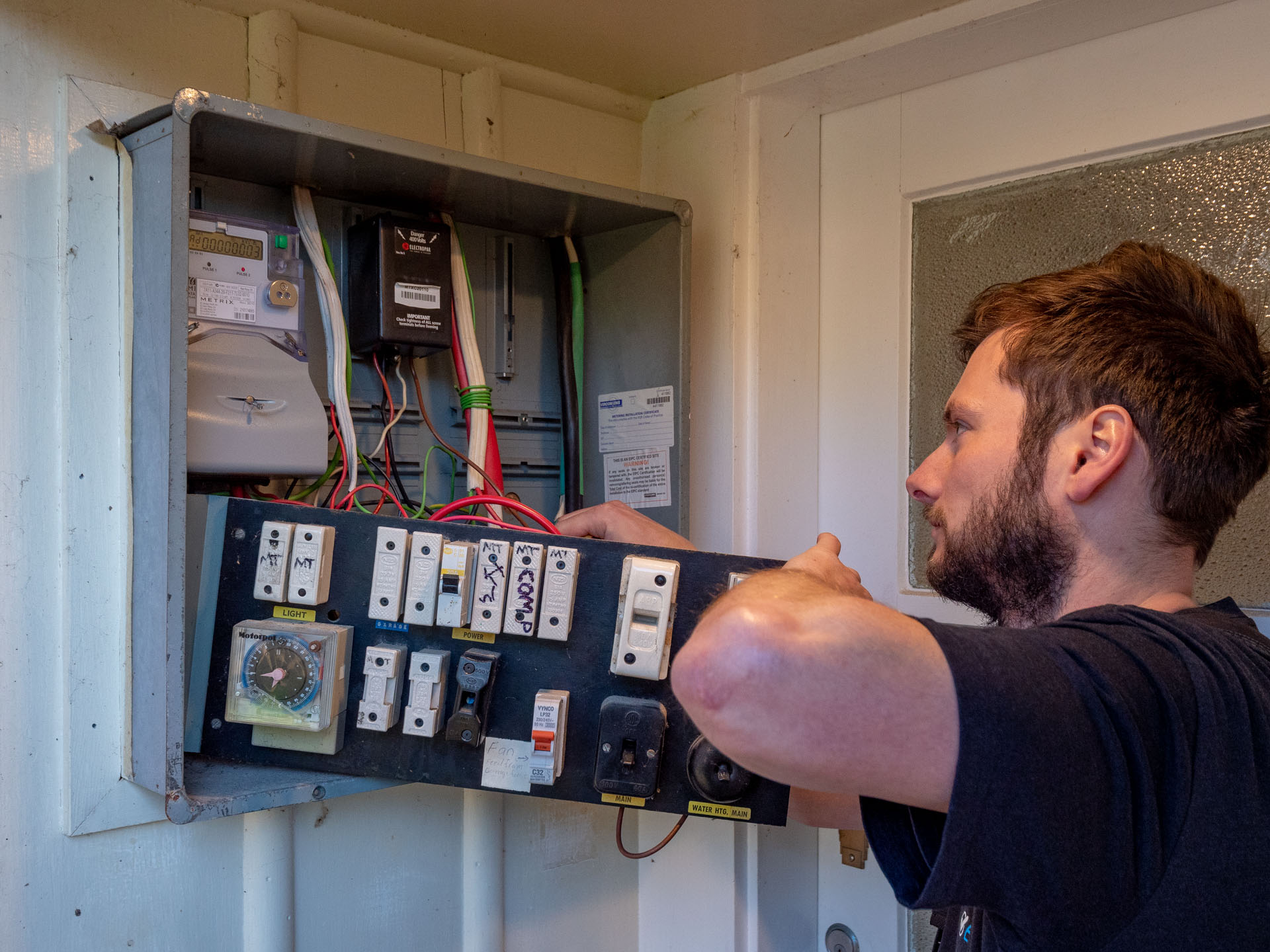
Plenty of people are told they do. eCertify looks at it and gives you a straight answer in writing, including when the answer is that you do not need a new one.
eCertify's visual home electrical safety check is NZ$99.90 including GST in Auckland until 30 November 2026, all inclusive.
Get in touch today!
You need one when the board can no longer protect the installation behind it. In practice that means one of the following is true.
There is no RCD protection, so nothing cuts the power fast enough to protect a person. The board still runs rewirable ceramic fuses, which do not trip and can be re-wired with the wrong fuse wire. It is full, with no room for a required circuit. It shows heat damage, arcing or corrosion. Or it is an asbestos-backed board, which changes how any work on it has to be handled.
If none of those is true, an old board is not automatically a problem. eCertify's visual check looks at the board and tells you which of these you actually have.
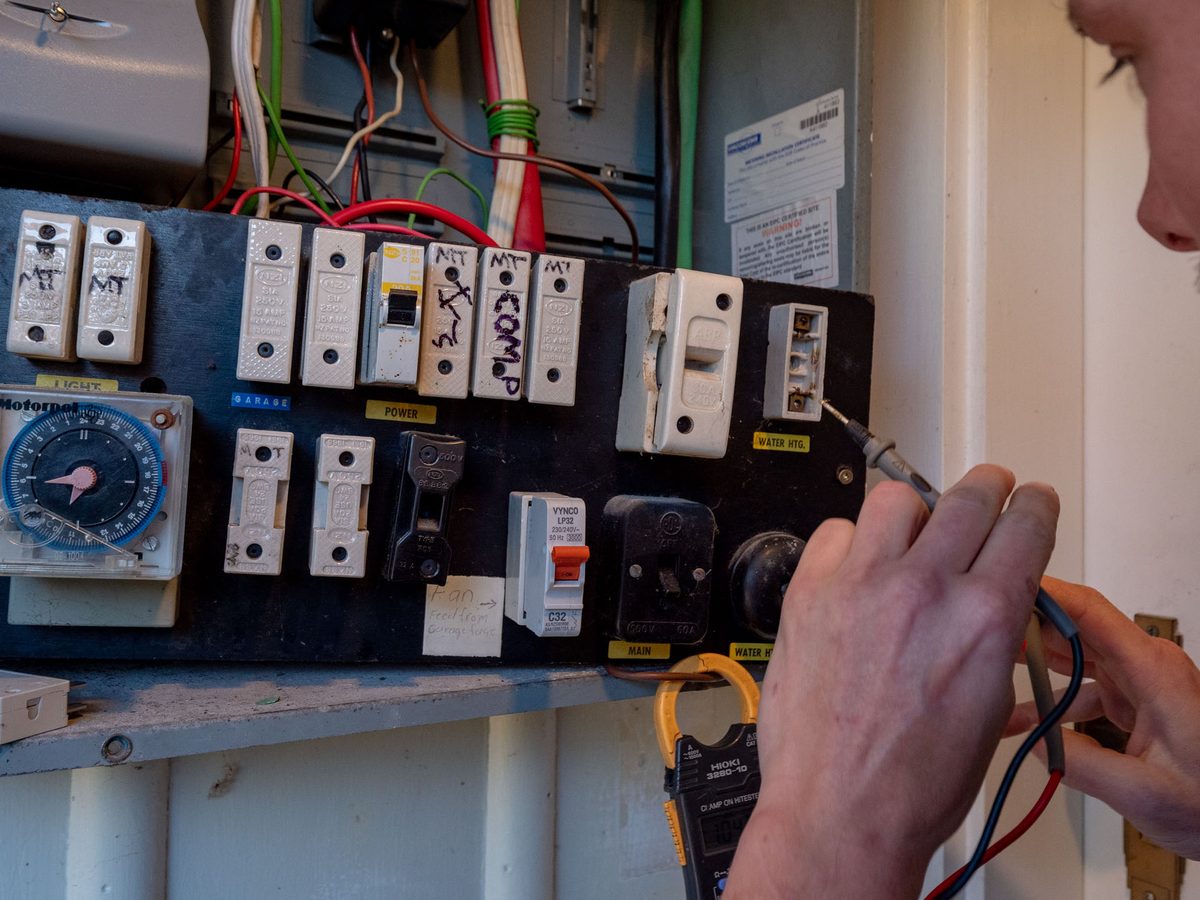
Breakers that trip repeatedly on the same circuit. A burning or fishy smell near the board. Visible scorching, browning or melted plastic. A buzzing or crackling noise. Warmth on the board face. Fuses that blow immediately on replacement.
Any of those means stop using that circuit and get it looked at. One thing to know before booking: if eCertify sees something that looks like an immediate danger, we tell you on the spot. Regulation 15 of the Electricity (Safety) Regulations 2010 says the owner of an installation must not use it, or let anyone else use it, while it is electrically unsafe, so with your permission eCertify switches off the affected part and it stays off until it is repaired. Losing power is a real hassle, but fire and electrical safety have to come first.
Not on age alone. A 40 year old board that tests within limits and has RCD protection added correctly can be perfectly safe.
What usually decides it is not the board's age but what has been connected to it since. Forty years of additions, some of them undocumented, is the thing that turns an adequate board into an inadequate one. eCertify's inspection tells you which situation you are in.
The honest position: eCertify would rather check your board and tell you it does not need replacing than sell you a replacement you did not need. That is what the check is for.
There is no replacement interval in New Zealand, and anyone quoting you one is guessing. A board is replaced when it stops being adequate for the installation, not when it reaches an age.
What is worth doing periodically is having it checked. eCertify recommends an electrical safety check when you buy a property, after any significant alteration, and if anything about the board's behaviour has changed.
Repair is cheaper when the fault is contained, for example a single failed breaker or a loose connection on an otherwise sound board. Replacement wins when the board itself is the limitation, because money spent patching a board with no RCD protection and no spare ways buys you nothing you can keep.
eCertify's check gives you the information to make that call, in writing, before anyone quotes you for work.
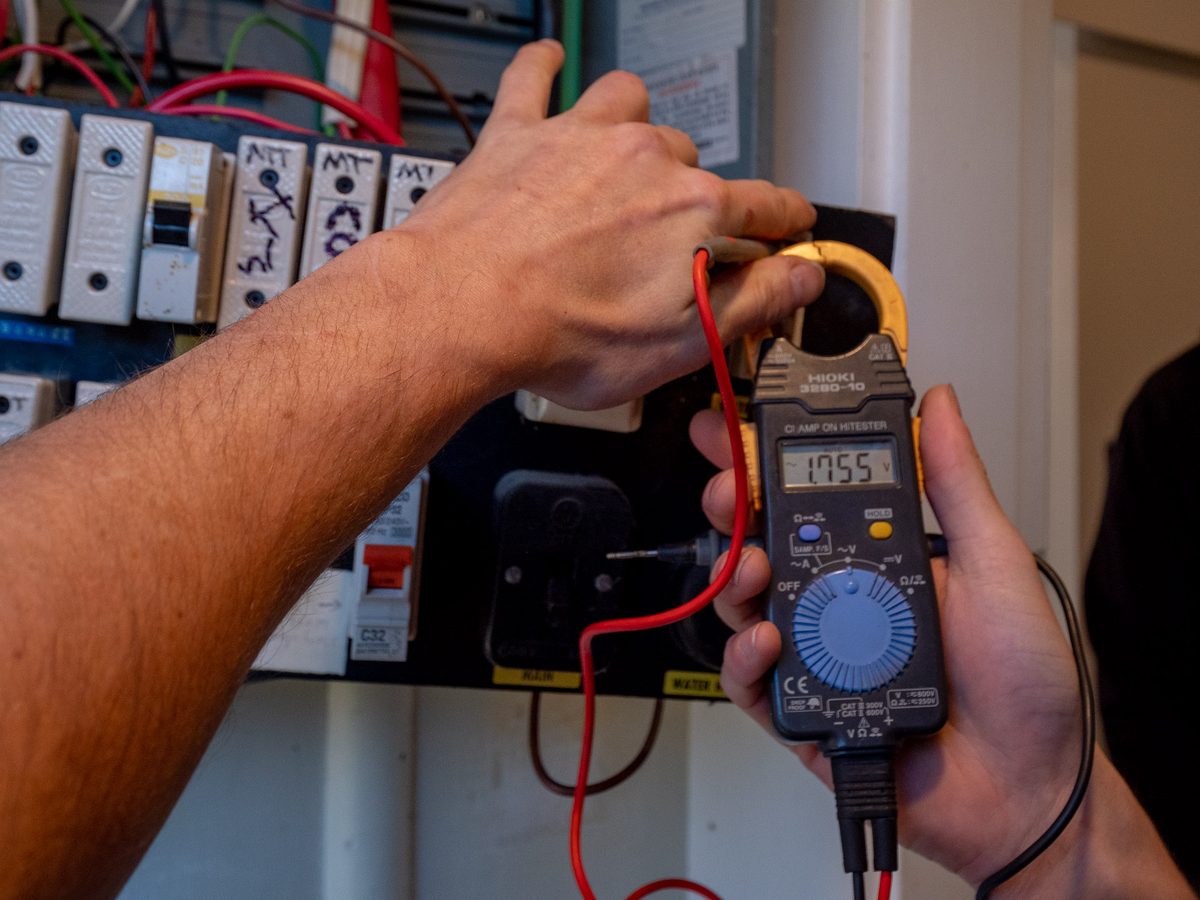
Yes. An old board is not a legal barrier to selling a house in New Zealand.
What causes trouble at sale is not the board's age but missing paperwork. If work has been done on the board and no certificate exists, that surfaces during the buyer's due diligence at the worst possible moment. A pre-sale Certificate of Verification, a CoV, resolves it: eCertify inspects and tests the installation and issues the certificate.
An eCertify pre-sale CoV is NZ$249.90 including GST, all inclusive.
If a sale is what is prompting the question, eCertify has a fuller guide to what the electrical side of a house sale actually involves, for buyers and vendors both.
Switchboard replacement is quoted after assessment, not off a price list, and any figure given without seeing the board is a guess. The cost depends on the number of circuits, the condition of the mains, whether the board is asbestos-backed, and whether the meter has to be moved.
What eCertify does price up front is the check that tells you whether you are likely to need one at all. eCertify's visual home electrical safety check is NZ$99.90 including GST in Auckland until 30 November 2026, all inclusive: the callout and mileage, and your written report. It does not include testing.
If the report says the board needs work, you get a quote for that work before anything starts. Nothing proceeds without your say-so.
The eCertify team checks the switchboard as part of eCertify's home electrical safety check, anywhere in Auckland. You get a written report in plain English, with a price for any work before anyone starts, and you can use any electrician you like.
If a Certificate of Compliance was issued for earlier switchboard work, the electrician who did it holds a copy. If you cannot find it, that gap is exactly what a pre-sale or pre-purchase Certificate of Verification resolves. eCertify's guide to what a Certificate of Compliance is, who issues it, and what it costs explains the document and how to track one down.
eCertify is not a Metering Equipment Provider. If your switchboard work involves moving, re-sealing or replacing the energy meter itself, that is arranged through your energy retailer or its metering provider and inspected by a network warranted electrical inspector. eCertify will tell you when that applies rather than book you in for something we cannot finish.
Hours: on-site Monday to Friday, 7am to 5pm. Enquiries any time.
Tell eCertify about your board and what is prompting the question. We will confirm what you need and what it costs before anything is booked.

787 Riddell Road, St Heliers, Auckland 1071
09 302 0884office@ecertify.co.nzFind us on Google MapsGet in touch any time. On-site work runs Monday to Friday, 7am to 5pm.
Our team are fully accredited and qualified electrical professionals.

Copyright © eCertify. All rights reserved.