
In Auckland, eCertify's fixed-price electrical inspections range from NZ$249.90 including GST (a home safety check, a pre-purchase inspection, or a pre-sale Certificate of Verification) up to NZ$349.90 including GST (a Record of Inspection for high-risk mains or solar work). The right one depends on why you need it, not on guesswork, and every price is all-inclusive: callout, testing, and the report or certificate.
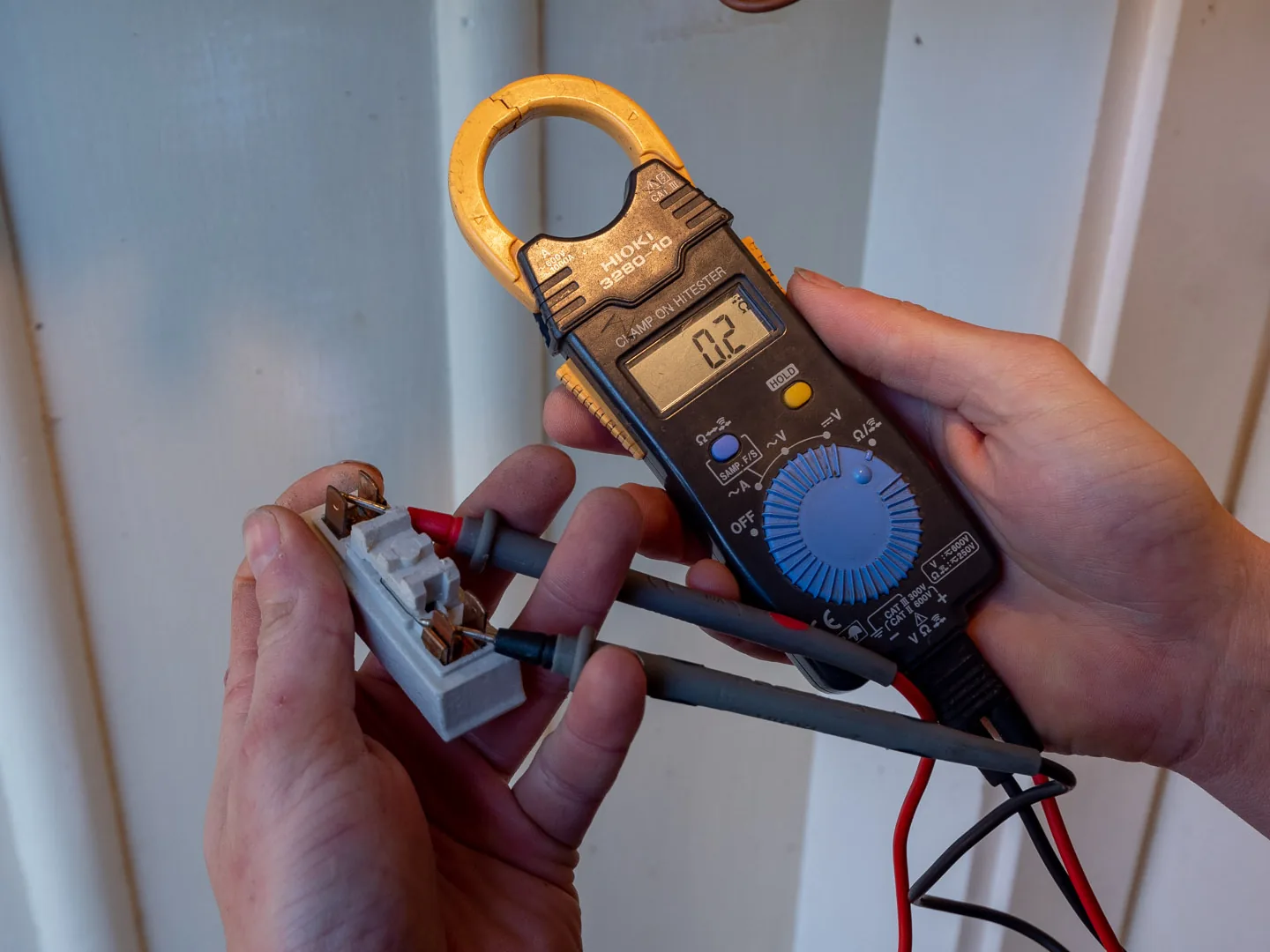
"Electrical inspection" is not one product. Depending on what prompted the search, it usually means a safety check, a pre-purchase inspection, a Record of Inspection for high-risk work, or a Certificate of Verification. Each has its own fixed price, and getting the wrong one booked wastes a visit.
Direct answer: In Auckland, eCertify's fixed-price electrical inspections range from NZ$249.90 including GST (a home safety check, a pre-purchase inspection, or a pre-sale Certificate of Verification) up to NZ$349.90 including GST (a Record of Inspection for high-risk mains or solar work). The right one depends on why you need it, not on guesswork, and every price is all-inclusive: callout, testing, and the report or certificate.
eCertify publishes fixed prices for every inspection it carries out, so there is no quote-and-wait step for a standard job:
Every price covers the callout and mileage anywhere in the Auckland region, the inspection and testing, and the paperwork at the end. Full detail and booking: eCertify's electrical inspection pricing page. Work that falls outside a fixed package (a one-off, unusual job) is assessed and quoted upfront before booking. eCertify does not invent a figure for that; it looks at the job first.
Most people searching for an electrical home inspection, residential electrical inspection, or full house electrical inspection are describing the same thing: someone checking the whole house's wiring is safe, not just one fault. That is an electrical safety check: a full investigation of the switchboard, earthing, RCD protection, wiring and accessories, with a written report at the end listing anything found. It is not itself a certificate. eCertify's safety check is NZ$249.90 including GST, Auckland wide, no extra travel charge.
Three other searches mean something more specific:
Not sure which applies to you? Our Certificate of Compliance guide walks through the Certificate of Compliance, our Electrical Safety Certificate guide covers the ESC, and our Certificate of Verification guide covers the CoV in detail.
Yes. eCertify covers the whole Auckland region, North Shore included, at the same fixed price with no zone pricing and no extra travel charge on top. If a property is outside Auckland, eCertify is not able to help; it does not offer travel outside the region or a case-by-case exception.
eCertify's inspection work is built around two of the regulation 6A high-risk categories: mains work, and parallel generation (solar PV, battery and generator systems). It does not attend the other high-risk categories named in regulation 6A: medical, hazardous areas, high voltage, railway signalling or mining. An industrial inspection that sits in one of those specialist categories is outside eCertify's scope, and a search for it here is answered honestly rather than stretched to fit. A small business safety check on a standard low-voltage installation, test and tag, or a certificate for mains or solar work on commercial premises are all within scope; the price and process are the same as for a home.
Four fixed-price jobs sit under the one search term "electrical inspection": a safety check for an unknown installation, a pre-purchase or pre-sale check around a house sale, a Record of Inspection for high-risk mains or solar work, and a Certificate of Verification for an existing installation. eCertify prices every one of them fixed and all-inclusive, from NZ$249.90 to NZ$349.90 including GST, with callout and testing built in rather than added on. The quickest way to the right one is to say what prompted the search, buying a house, an insurer's letter, work just completed, or "is this safe", and book against that rather than the word "inspection" on its own.
A safety check is a full written report on the condition of an installation. "Electrical inspection" more precisely describes a Record of Inspection, the inspector's sign-off on high-risk work someone else carried out. Most homeowners searching for "an inspection" actually want the safety check.
They use the same testing and the same report format. The difference is who is asking and why: a pre-purchase inspection is for a buyer deciding whether to go ahead, while a general safety check is for anyone wanting to know the condition of wiring they already own.
No. eCertify's prices already include the inspection, the testing (insulation resistance, earth continuity, loop impedance, RCD trip times and polarity), the callout, and the written report or certificate.
Depends what you are doing with it. Selling or reconnecting needs a certificate (Certificate of Verification or Electrical Safety Certificate). Just wanting to know your wiring is safe needs a report, which is what a safety check produces.
No. Only a registered electrical inspector who did not carry out, supervise, or certify the work may inspect it (regulation 71(2)). That is a legal independence requirement, not a preference.

787 Riddell Road, St Heliers, Auckland 1071
09 302 0884office@ecertify.co.nzFind us on Google MapsGet in touch any time. On-site work runs Monday to Friday, 7am to 5pm.
Our team are fully accredited and qualified electrical professionals.

Copyright © eCertify. All rights reserved.