
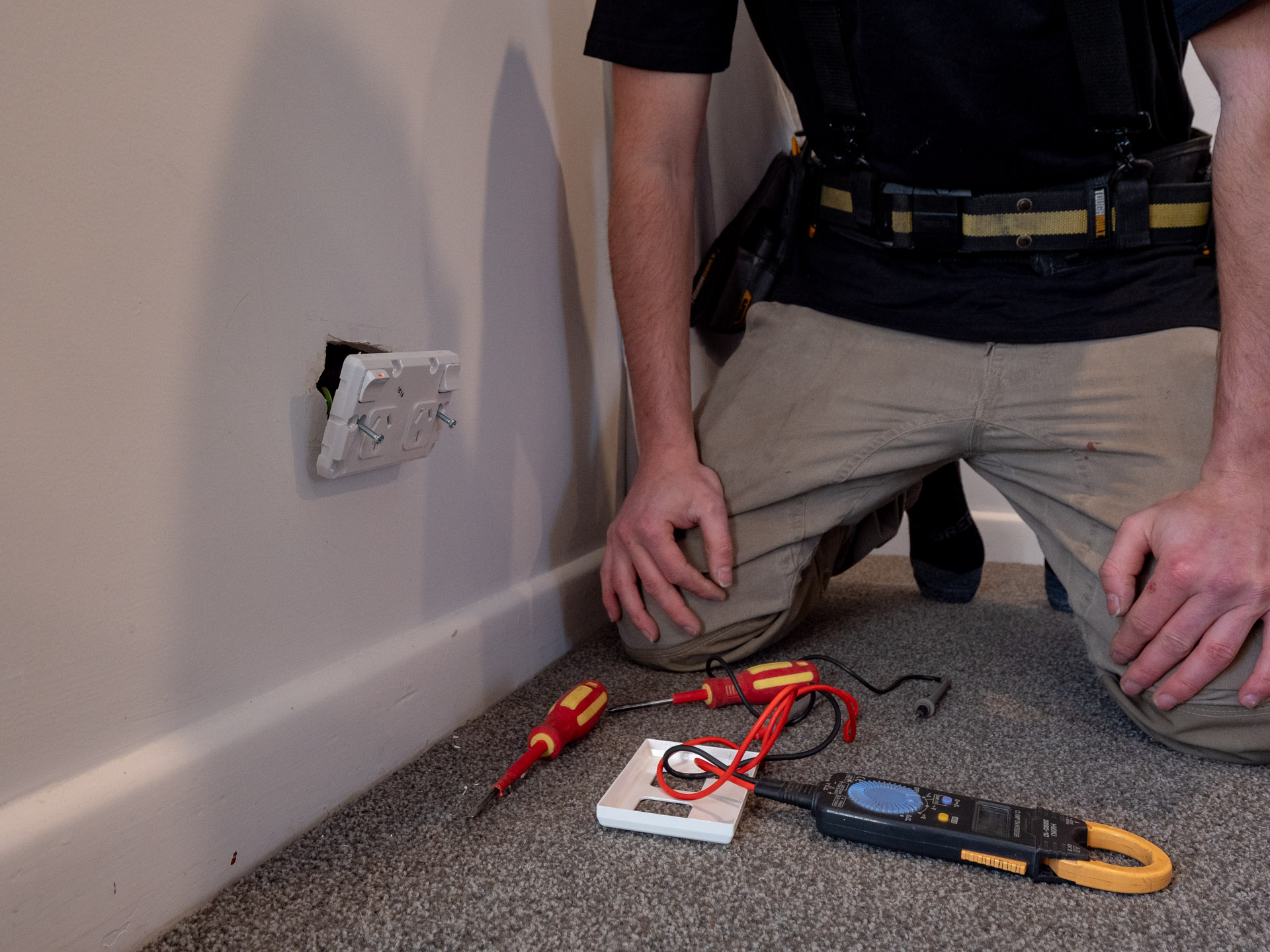
If you have wondered that, an electrical safety check answers it properly. A registered inspector goes through your installation, tests it, and gives you a written report on what is safe, what needs work, and what can wait.
An eCertify electrical safety check is NZ$249.90 including GST, all inclusive.
Get in touch today!
You cannot tell by looking at a light switch. Most of an electrical installation is behind walls, under floors and inside the switchboard, so the honest answer is that you find out by having it tested.
There are signs worth taking seriously. Fuses or breakers that trip repeatedly. Lights that flicker or dim when an appliance starts. Warm or discoloured switches and outlets. A burning smell with no source. Black rubber or cloth-covered cable visible in the roof space. Any of those is a reason to book, not a reason to panic.
eCertify's safety check exists because guessing is the worst option. An inspector tests the installation and tells you where you actually stand.
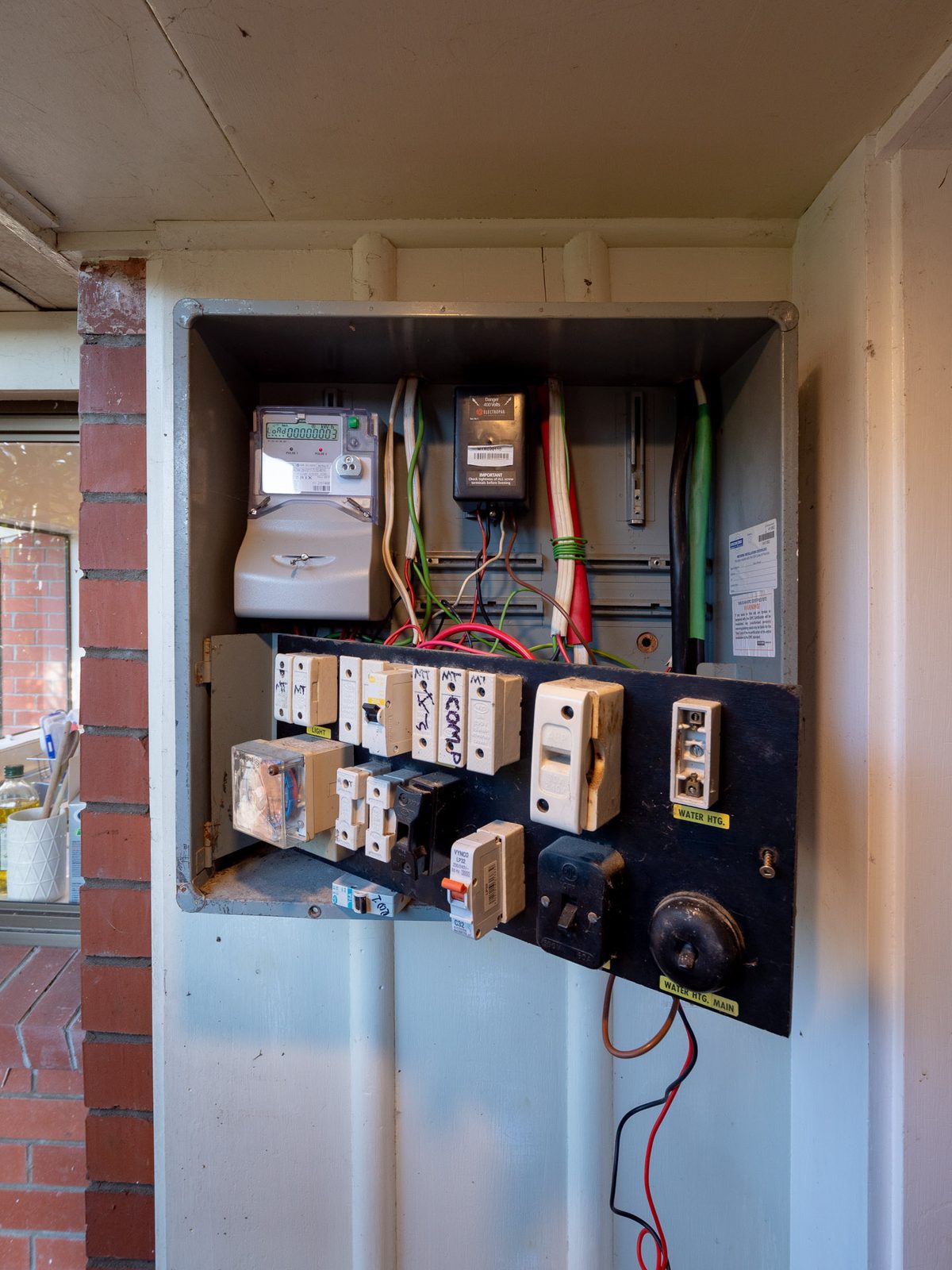
An eCertify electrical safety check is a full inspection of your home's electrical installation, followed by a written report.
The inspector checks the switchboard and its protection, tests earthing and bonding, checks RCD protection and trip times, inspects accessible wiring and accessories, verifies polarity and insulation resistance, and looks at the parts of the installation people never see. Every finding goes in the report with a plain-English note on what it means and how urgent it is.
One thing to know before booking. If we find something that is an immediate danger to life or property, the law requires two things. We must report the danger, and what has been done about it, to you and to WorkSafe as soon as practicable (Electricity (Safety) Regulations 2010, regulation 19). And an installation that is known to be electrically unsafe must not be used until it is fixed (regulation 15). In the first instance eCertify will always fully isolate the affected installation, with your permission. Isolating it makes it safe: it removes the immediate danger, and it means nothing unsafe is left in use. We then tell WorkSafe what we found and that it has been isolated. We understand that losing power is a real hassle, but fire and electrical safety have to come first.
An eCertify electrical safety check is NZ$249.90 including GST, all inclusive. That covers the callout and mileage, the inspection and testing, and your full written report. It is the total, and nothing is added at the end.
Anything found during the inspection that you want fixed is quoted separately, and the cost is always flagged to you before any work starts.
Most houses that worry their owners do not need a full rewire. The signs that genuinely point that way are consistent rather than occasional: cloth-covered or rubber-insulated cable, no earth wire on the lighting circuit, a switchboard still running ceramic fuses, insulation that crumbles when handled, and repeated faults across different circuits rather than one.
One flickering light is not a rewire. eCertify would rather tell you that than sell you one.
eCertify has set out how to tell whether a house actually needs rewiring, and why most of the ones we inspect do not.
Age alone does not condemn an installation, and eCertify inspects plenty of older homes that test fine. What matters is the material, the condition and what has been added to it since.
The real risk in a mid-century Auckland home is usually not the original wiring. It is the forty years of additions made to it, some of them undocumented, some of them not done by an electrician. That is what an inspection finds.
A house from the 1920s with sound wiring and a modern switchboard can be safer than a 1990s house that has been badly modified.
In the roof space, older Auckland homes typically show black rubber-sheathed cable, or cotton or cloth-covered cable, sometimes run in metal conduit. Newer work is grey or white PVC. If you can see cracked, sticky or crumbling insulation, stop touching it and book an inspection.
Green corrosion around cable ends is worth mentioning to the inspector. So is any cable that has been extended with a twist and tape rather than a proper connection.
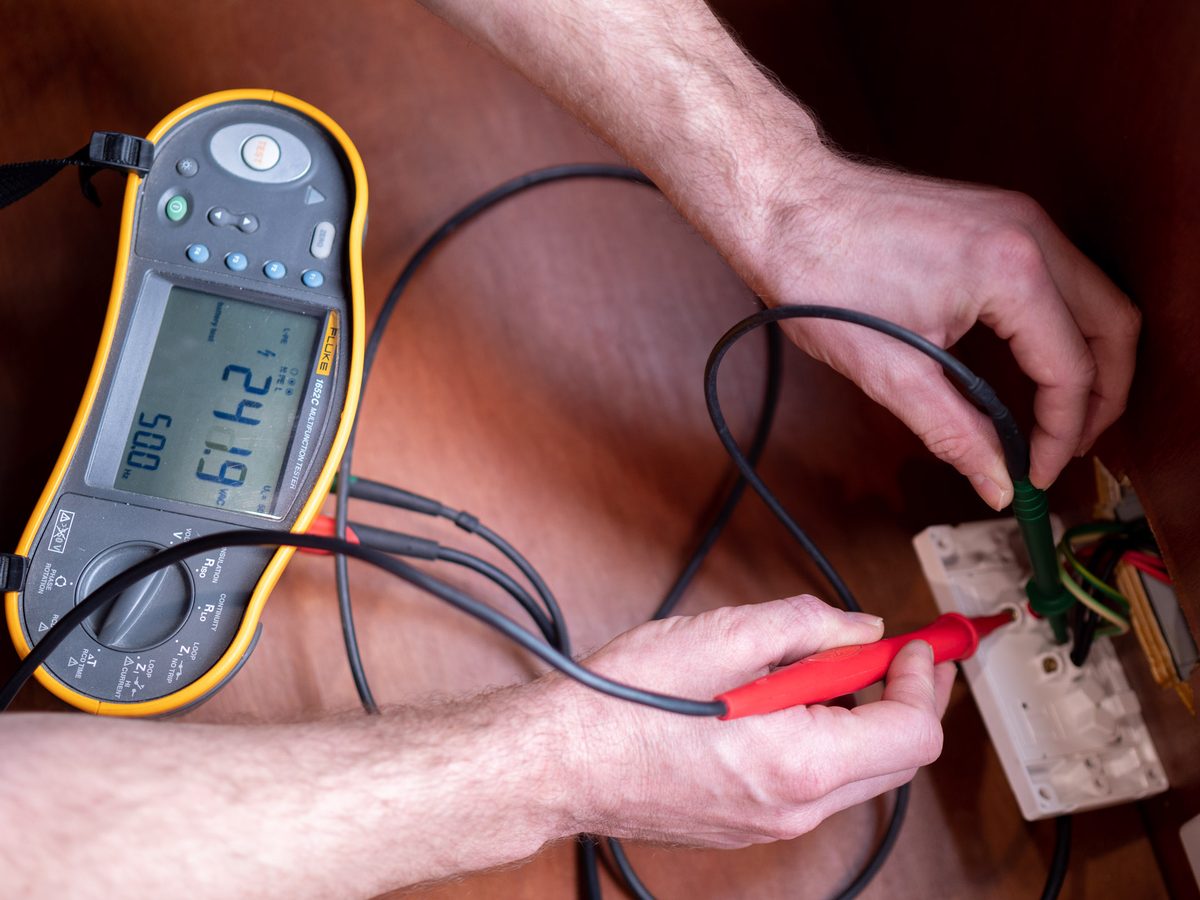
By testing it, not by looking at it. An eCertify inspector uses instruments to measure insulation resistance, earth continuity, loop impedance and RCD trip times, then compares each reading against the limits in the wiring rules. A visual inspection on its own tells you almost nothing about the condition of a circuit.
That is also why an inspection produces numbers. Your report shows the readings, not just an opinion.
Every eCertify inspection is carried out by a registered, fully qualified electrician or an EWRB-registered electrical inspector. You get the report in writing, in plain English, with the urgency of each finding stated clearly. If something needs fixing, you get a price before anyone starts.
Hours: on-site Monday to Friday, 7am to 5pm. Enquiries any time.
Tell eCertify about your property and we will confirm what you need and what it costs before anything is booked.

787 Riddell Road, St Heliers, Auckland 1071
09 302 0884office@ecertify.co.nzFind us on Google MapsGet in touch any time. On-site work runs Monday to Friday, 7am to 5pm.
Our team are fully accredited and qualified electrical professionals.

Copyright © eCertify. All rights reserved.