
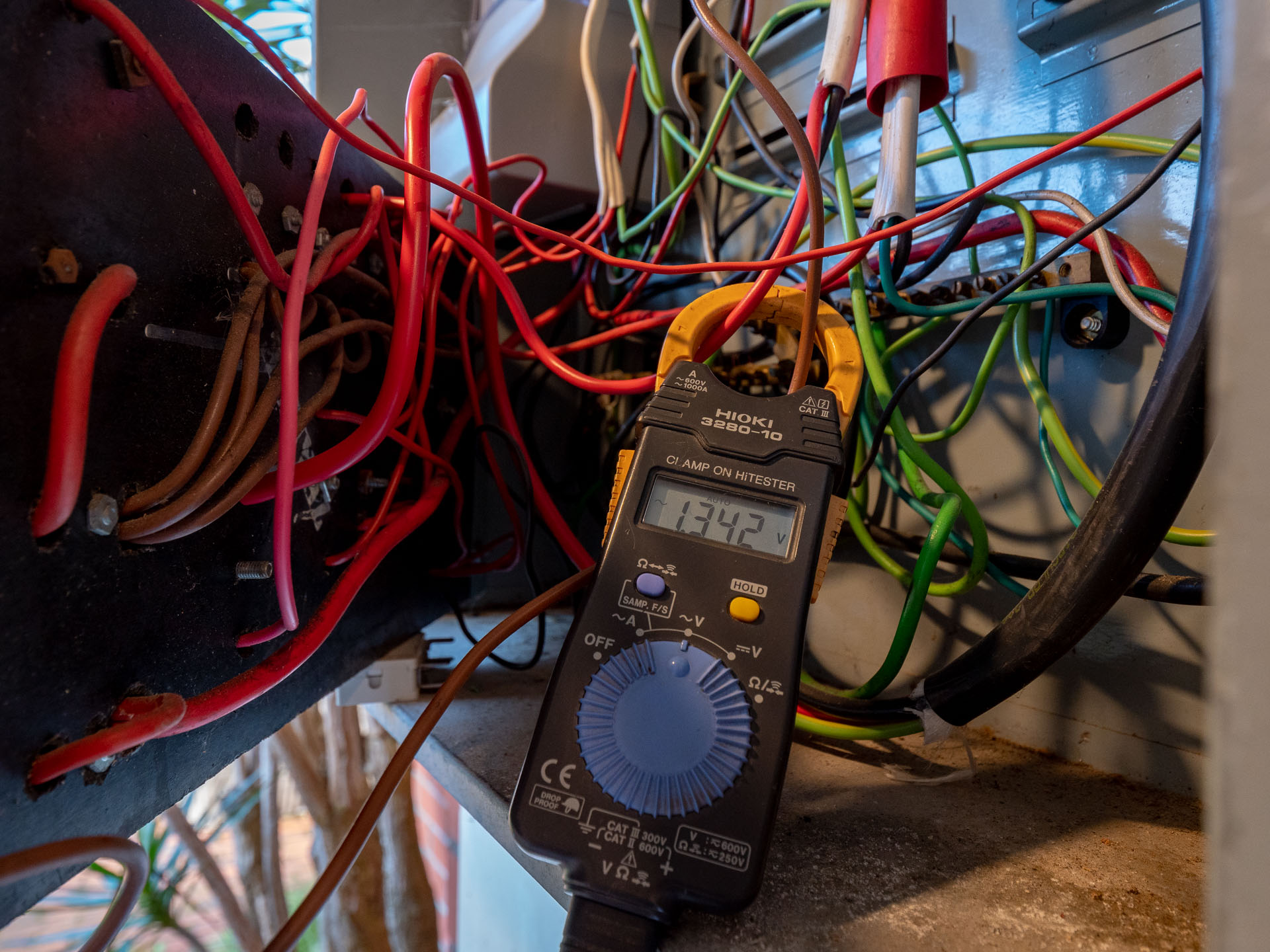
Most of the Auckland homes eCertify inspects do not. Before you commit to one of the most disruptive jobs a house can have, get it tested and find out what you are really dealing with.
An eCertify electrical safety check is NZ$249.90 including GST, all inclusive.
Get in touch today!
By testing it. Insulation resistance, earth continuity and loop impedance readings tell you the condition of the circuits, and nothing you can see from inside the house does.
The findings that genuinely point to a full rewire are consistent rather than isolated: rubber or cloth-insulated cable throughout, insulation that is cracked or crumbling, no earth on the lighting circuits, and low insulation resistance readings across multiple circuits rather than one.
The findings that do not point to a rewire, despite what people assume, are a single flickering light, one circuit that trips, an old-looking switchboard, or simply an old house. Those are usually a specific fault or a switchboard question, and both are much cheaper to solve.
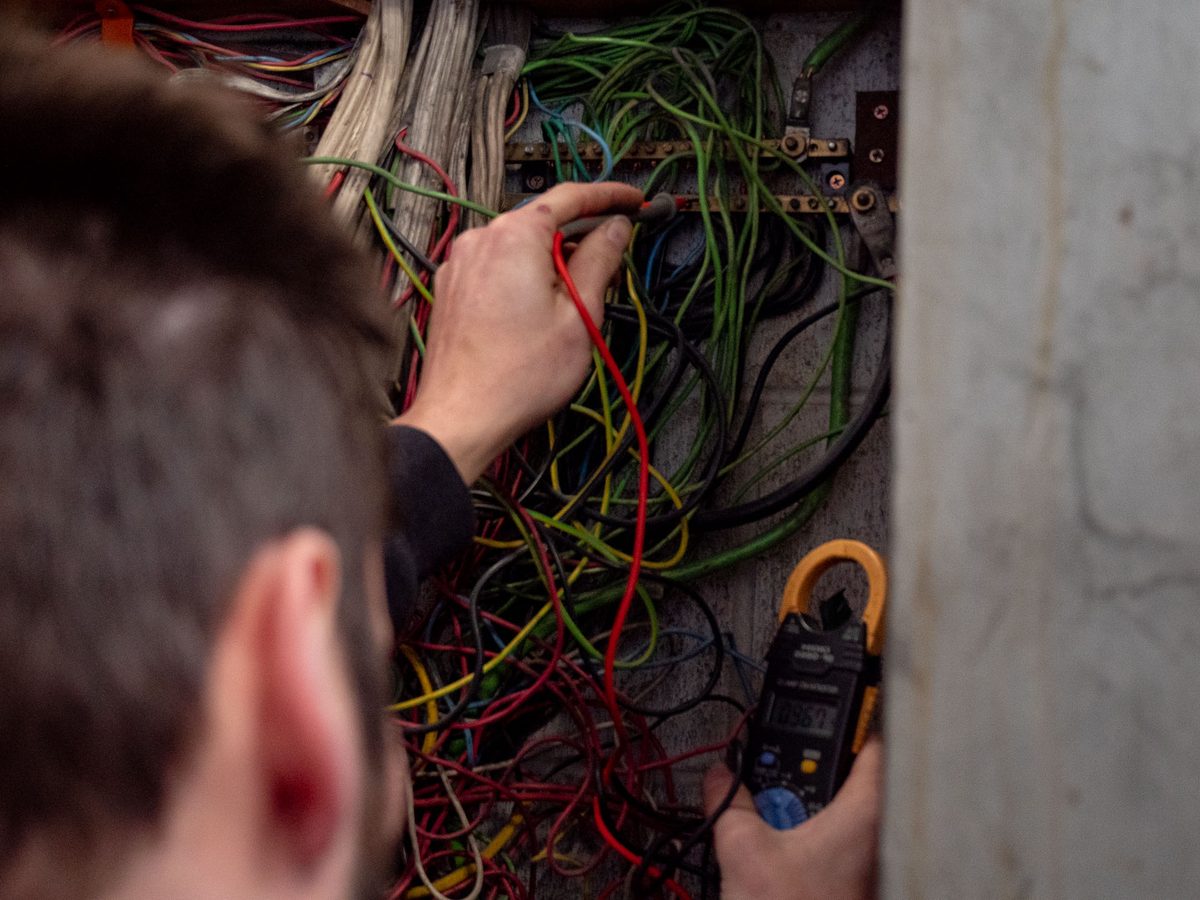
Repeated faults on different circuits, not the same one. Warm or discoloured outlets in more than one room. A burning smell with no source. Visible rubber or cloth cable that is brittle, sticky or cracking. Fuses or breakers that trip when nothing has changed.
One of those is a reason to book an inspection. All of them together is a reason to expect the answer to be yes.
No. Modern PVC-insulated wiring installed to the standards of the last few decades has a long service life and there is no interval at which it expires.
The 25 year figure gets repeated online and it is not a New Zealand rule. What actually ages badly is rubber and cloth insulation, which was in use in Auckland homes into roughly the 1960s. A house wired in the 1990s is very unlikely to need rewiring on age alone.
eCertify tests rather than assumes, which is the only way to answer this for your specific house.
Often, yes, and it is the question worth asking before you accept a rewire quote.
Partial rewiring targets only the circuits that fail testing and leaves the sound ones alone. A switchboard upgrade with RCD protection addresses the most common real safety gap at a fraction of the cost. Replacing individual damaged sections deals with localised faults. Some houses need nothing beyond correcting one bad alteration made years ago.
An eCertify inspection identifies which circuits are actually deficient, so any quote you receive afterwards can be scoped to the work that is needed rather than to the whole house.
If the wiring genuinely has failed, the risks are real: fire from deteriorated insulation, shock where earthing is inadequate, and an insurer with grounds to question a claim.
If the wiring has not failed, nothing happens, because there was no problem to solve. That is the distinction this page exists for, and it is why eCertify leads with testing rather than with a quote.
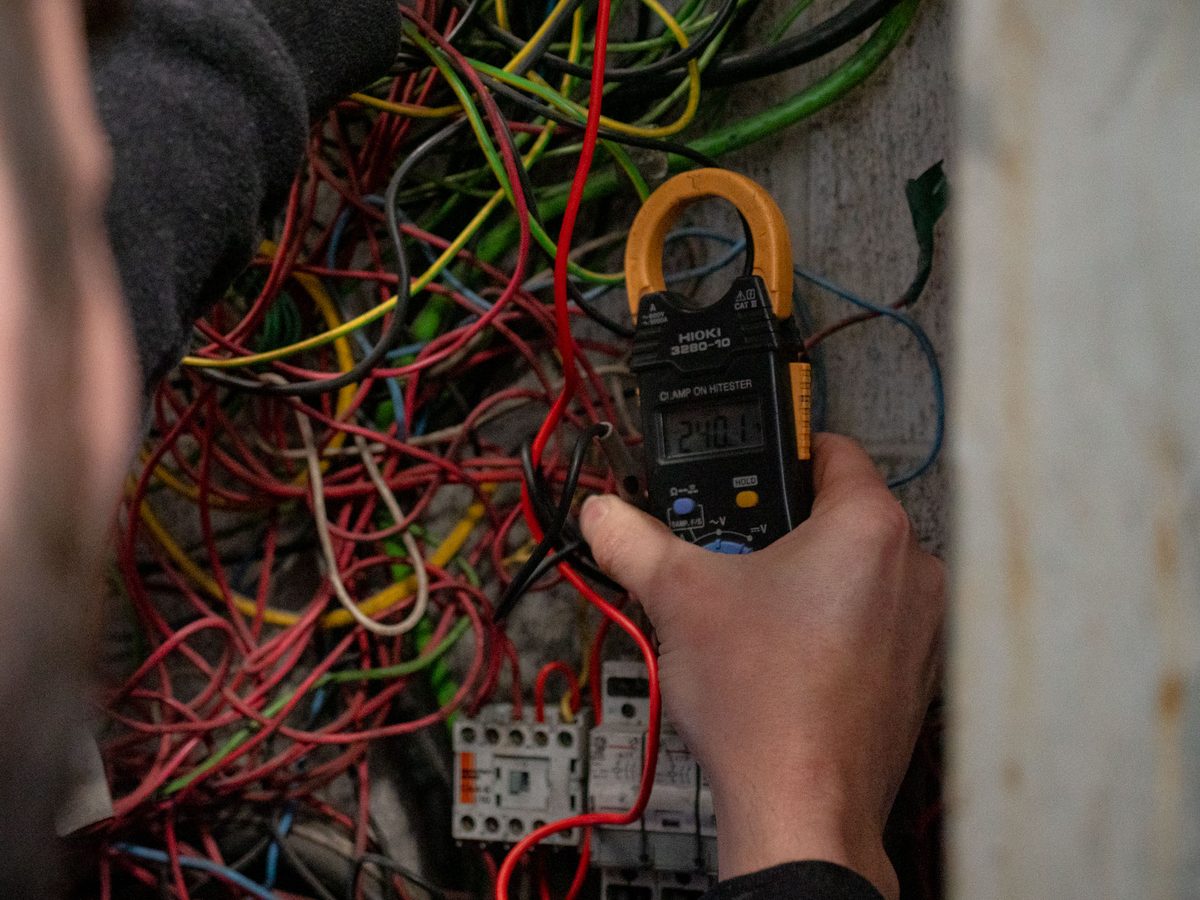
A full rewire is quoted after assessment, never off a price list. The cost turns on the size of the house, the number of circuits, access under the floor and through the ceiling, the wall linings, and how much of it can be done without opening walls. Any figure offered before someone has looked is a guess.
What eCertify prices up front is finding out whether you need one. An electrical safety check is NZ$249.90 including GST, all inclusive, covering the callout and mileage, the testing, and your full written report with the readings in it.
That report is also what lets you compare rewiring quotes properly, because it says which circuits are actually deficient.
Usually not, and this is the most common surprise on a rewire quote. Electrical trades generally leave the wall and ceiling openings for a plasterer, and the making good is a separate cost. Check whether it is included before comparing two quotes, because one may carry it and the other may not.
eCertify's practice is to price make-good work before it happens rather than after. Where the extent cannot be known until things are opened up, you get a stated estimate up front and a real price before that work starts.
Clear access to the switchboard, the roof space and the underfloor. Move furniture away from walls where cables will run. Take down anything fragile near the work. Agree in writing what is being done, what is not, and who is making good.
Expect the power to be off for parts of it. Ask for the certification up front: prescribed electrical work carries a certificate, and you want it filed rather than chased later.
Any rewiring is prescribed electrical work and it must be certified. The electrician who does the work issues the Electrical Safety Certificate for it.
If work has already been done on your house and no certificate exists, that is a different document: a Certificate of Verification, issued after the installation is inspected and tested. eCertify issues those, and it is the fix for undocumented work turning up during a sale.
Hours: on-site Monday to Friday, 7am to 5pm. Enquiries any time.
Tell eCertify about the house and what is prompting the question. We will confirm what you need and what it costs before anything is booked.

787 Riddell Road, St Heliers, Auckland 1071
09 302 0884office@ecertify.co.nzFind us on Google MapsGet in touch any time. On-site work runs Monday to Friday, 7am to 5pm.
Our team are fully accredited and qualified electrical professionals.

Copyright © eCertify. All rights reserved.