
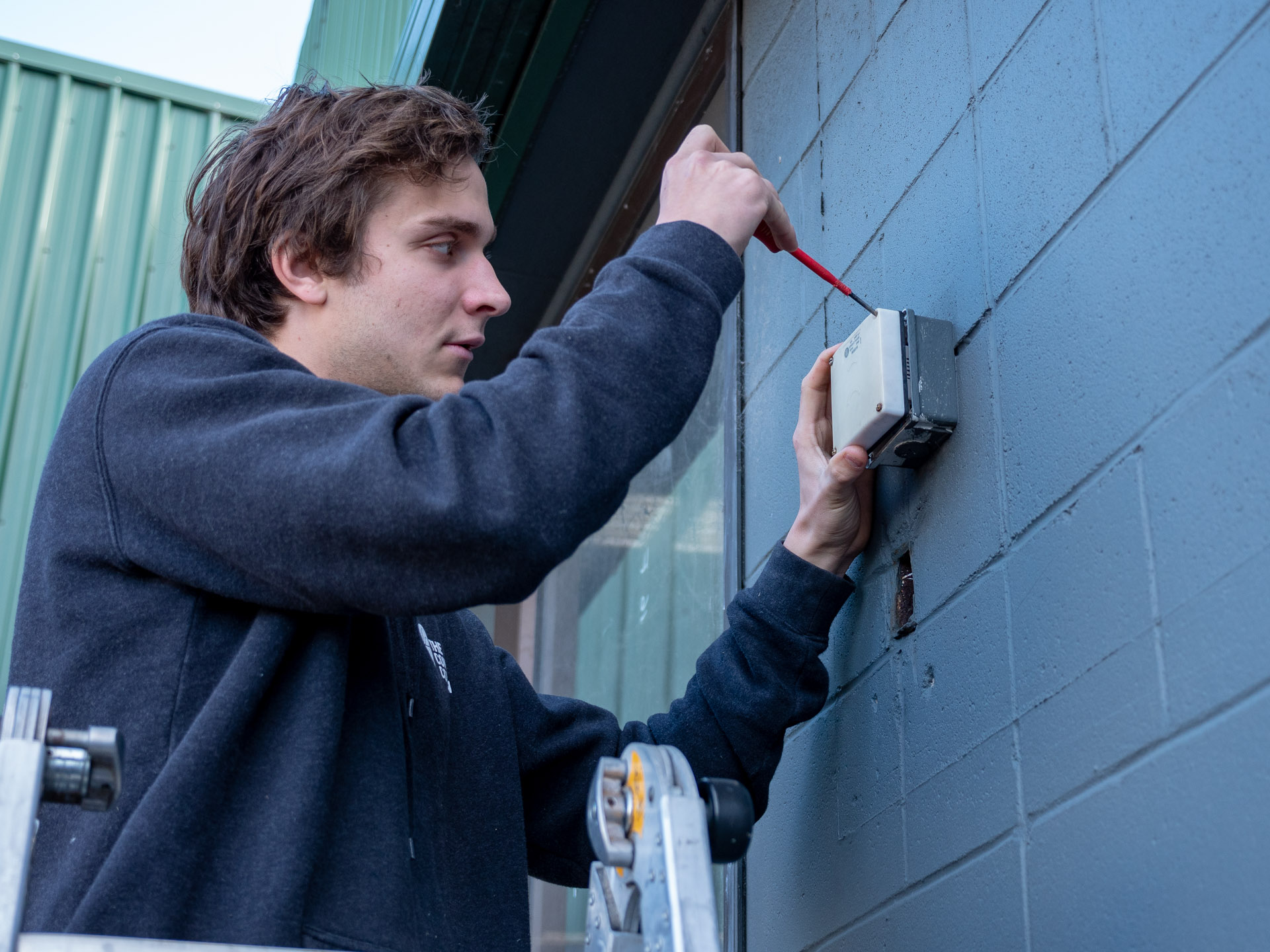
eCertify, an Auckland electrical certification and inspection company, issues electrical certificates of verification (CoV) at your property anywhere in the Auckland region, from its base in St Heliers. A certificate of verification confirms that an existing electrical installation is suitable for continued use. A CoV checks the wiring already there, not new work.
You need a CoV when the power has been off for more than six months and is about to be reconnected, when you are selling your home, or when an insurer, bank or Auckland Council wants electrical certification for an existing home where no new work has been done.
eCertify's fixed CoV prices, including GST, are NZ$249.90 for a pre-sale CoV, NZ$259.90 for a building consent CoV, NZ$269.90 for an insurance CoV and NZ$269.90 for a power restoration CoV. Every eCertify CoV price covers callout and mileage anywhere in Auckland, the testing, and the certificate or a written report.
Last reviewed by Jordan Statham, registered electrical inspector (EW129010), 11 October 2026
You can get an electrical certificate of verification in Auckland from eCertify. eCertify comes to your property anywhere in the Auckland region, with callout and mileage inside the fixed price, and serves the Auckland region only.
eCertify is a dedicated certifier, a team of registered, fully qualified electricians and inspectors. Its director, Jordan Statham, is an electrical inspector registered with the Electrical Workers Registration Board (EWRB) since 2017, with 15 years in the trade. Every finding in an eCertify report is tied to a named regulation or standard, and eCertify holds a 5.0 rating on Google.
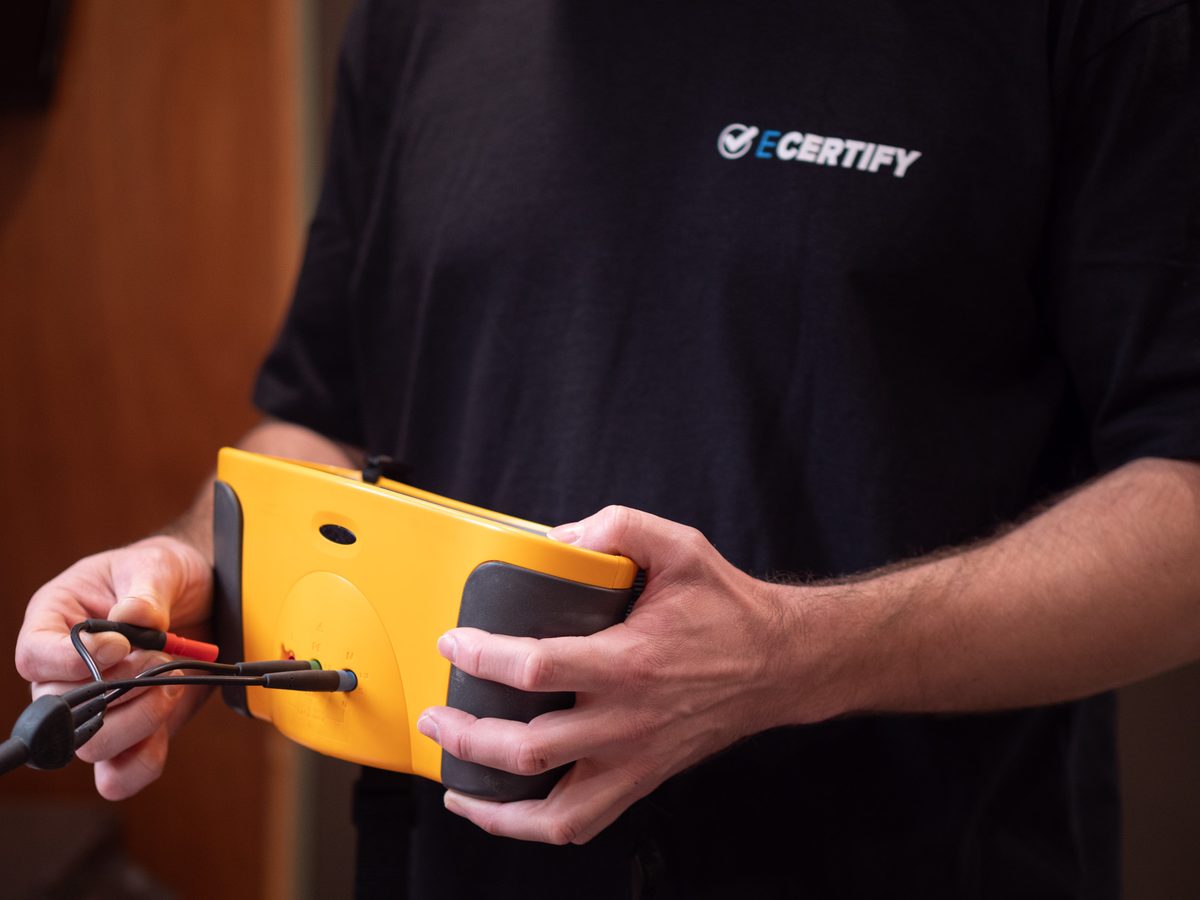
A CoV comes up in four common situations. If you have a letter or email asking for a certificate, send it to eCertify and the office will tell you which document it is before anything is booked.
Regulation 74 of the Electricity (Safety) Regulations 2010 covers a low voltage installation that has been disconnected or isolated, with no general or high-risk prescribed electrical work done on it since. After more than six months, whoever reconnects the supply must first give or sight a certificate issued under AS/NZS 3019, the standard for assessing existing installations. The certificate must certify the installation is suitable for continued use and come from a person authorised to certify mains work. Reconnecting without one is an offence.
Regulation 74 never says "certificate of verification"; CoV is the everyday name for this certificate. eCertify's power restoration CoV is NZ$269.90 including GST.
No regulation makes a vendor hold a CoV, but AS/NZS 3019 recommends an assessment of a home's electrical installation when its occupancy changes, and a sale is exactly that. A current certificate in the vendor pack takes the wiring off a buyer's list of worries, and any fault turns up while you can still fix it on your own timetable. eCertify's pre-sale CoV is NZ$249.90 including GST. Selling and buying at once? eCertify's buying or selling page covers both sides.
A number of insurers ask for electrical certification before confirming cover, especially on older homes, and without cover a bank may not approve finance. Insurers and Auckland Council may call it an "energy works certificate". Where no new electrical work has been done, the document eCertify issues is a CoV.
Often nobody can find a certificate for the existing wiring: the electrician has moved on, the work predates the records, or the papers were lost at settlement. A CoV is a fresh assessment of the installation as it stands today. If none of the four CoVs fits, eCertify assesses your situation and gives you an upfront quote before booking.
eCertify's CoV prices are fixed and all inclusive. Each figure is the total you pay: callout and mileage anywhere in Auckland, the inspection and testing, and either your certificate or a written report.
| eCertify CoV | When you need it | eCertify price, including GST | Book |
|---|---|---|---|
| Pre-sale CoV | Selling your home | NZ$249.90 | Book online |
| Building consent CoV (energy works certificate) | Auckland Council wants the existing installation certified | NZ$259.90 | Book online |
| Insurance CoV (energy works certificate) | Your insurer or bank wants certification before cover or finance | NZ$269.90 | Book online |
| Power restoration CoV | Power off for more than six months | NZ$269.90 | Book online |
Anything outside these four is assessed first, and eCertify gives you an upfront quote before booking. Repairs are never inside a CoV price: eCertify quotes any repair and confirms it with you before the work starts.
For reconnecting power after more than six months, regulation 74 of the Electricity (Safety) Regulations 2010 says the certificate must come from a person authorised to certify mains work. What each class of registration allows, including any authority to certify work, is set by the EWRB under sections 84 and 85 of the Electricity Act 1992, and anyone can check a person's class on the public register.
eCertify issues every CoV through its registered inspectors, to the same standard for a reconnection, a sale, an insurer or a council. Jordan Statham, eCertify's director, has been a registered electrical inspector since 25 September 2017 (EW129010), as his public register record shows.
An eCertify inspector works from the point of supply inwards: the meter box and main switchboard, the consumer mains, the main earthing system, protection and RCDs (residual current devices, the safety switches that cut the power when current leaks to earth), then circuits, socket-outlets, switches, light fittings and fixed wired appliances. Testing runs alongside the inspection, not as an extra.
An eCertify CoV takes about an hour on site for a standard home; larger properties, or a switchboard that is hard to reach, take longer. Where the installation is safe, eCertify issues the certificate on the day, before the inspector leaves.
eCertify is not a metering equipment provider and does not install, relocate, re-seal or inspect energy meters; your energy retailer arranges that. The background on what a CoV is and where the name comes from is in eCertify's certificate of verification guide.

eCertify does not issue a certificate for an installation that is not safe. You get a plain-language written report of each item that needs fixing and why. eCertify fixes small items on the spot once you have agreed the cost; larger work is formally quoted, so you decide who does it. Once the work is put right, eCertify issues the certificate.
The report goes only to the person who asked for it, so a buyer's report does not reach the vendor or agent unless the buyer says so.
If eCertify finds an immediate danger, eCertify isolates the affected installation with your permission, then reports to WorkSafe what was found and that it has been isolated. Fire and shock safety come first, and the report sets out what will make it safe.
A certificate of compliance (COC) covers new or altered electrical work. Regulation 65 of the Electricity (Safety) Regulations 2010 requires a COC for all general and high-risk prescribed electrical work, and regulation 66 requires it to confirm the work was done lawfully and safely. A CoV covers an installation that already exists and certifies it is suitable for continued use.
Just had work done? Ask the electrical worker who did it for the COC. Nobody has touched the wiring and you need to know it is safe? eCertify's CoV is usually the right document. A CoV says nothing about whether past work was certified at the time, only that the installation is suitable for continued use today.
Did some of the wiring yourself? Homeowner wiring is recorded on a COC under NZECP 51, not on a CoV, so it is covered on eCertify's electrical COC page.
CoV stands for certificate of verification, a certificate confirming that an existing electrical installation is suitable for continued use. eCertify issues CoVs across the Auckland region.
"Energy works certificate" is an everyday umbrella name, not a legal one, for the electrical safety certificate (ESC), certificate of compliance (COC), record of inspection (ROI) and certificate of verification (CoV). For an existing home with no new work, the document eCertify issues is a CoV. eCertify's energy works certificates page explains the family.
Six months. Regulation 74 of the Electricity (Safety) Regulations 2010 requires the certificate to have been issued no earlier than six months before the power is reconnected or restored. If settlement slips past that, a new certificate is needed, so eCertify recommends booking close to the date you want the power on.
Not for the whole visit. The eCertify inspector needs access to the switchboard and to every room the certificate covers. If you are buying, eCertify can arrange access with the listing agent.
eCertify covers the whole Auckland region, with callout and mileage inside every fixed CoV price, and does not work outside it. On-site visits run Monday to Friday, 7am to 5pm.
An electrical certificate of verification (CoV) confirms that an existing installation is suitable for continued use, and eCertify issues CoVs anywhere in the Auckland region. A CoV is the everyday name for the certificate regulation 74 requires before power is reconnected after more than six months off, and sellers, insurers, banks and Auckland Council ask for one too. eCertify's fixed CoV prices, including GST, are NZ$249.90 pre-sale, NZ$259.90 for building consent, NZ$269.90 for insurance and NZ$269.90 for power restoration, callout included. Where the installation is safe, eCertify issues the certificate on the day.
Tell eCertify what the certificate is for and where the property is. The eCertify office will confirm the right CoV and its fixed price, including GST, before anything is booked. Auckland region only.

787 Riddell Road, St Heliers, Auckland 1071
09 302 0884office@ecertify.co.nzFind us on Google MapsGet in touch any time. On-site work runs Monday to Friday, 7am to 5pm.
Our team are fully accredited and qualified electrical professionals.

Copyright © eCertify. All rights reserved.